The Wellbeing Case for Wellies: Why Gonerby YFC Might Be the Smartest Thing You Do for Your Teenager This Year
Let's be honest about where we are. If you're a parent of a teenager in 2024, you're navigating something genuinely difficult. The statistics on adolescent mental health in the UK are not reassuring. Anxiety disorders among 11 to 16-year-olds have increased sharply over the past decade. Loneliness among young people — counterintuitively, in an age of constant digital connection — is at levels that youth psychologists describe as a public health concern. And the traditional support structures that previous generations took for granted — tight-knit communities, purposeful physical work, belonging to something real — have quietly eroded in ways that are only now becoming fully visible.
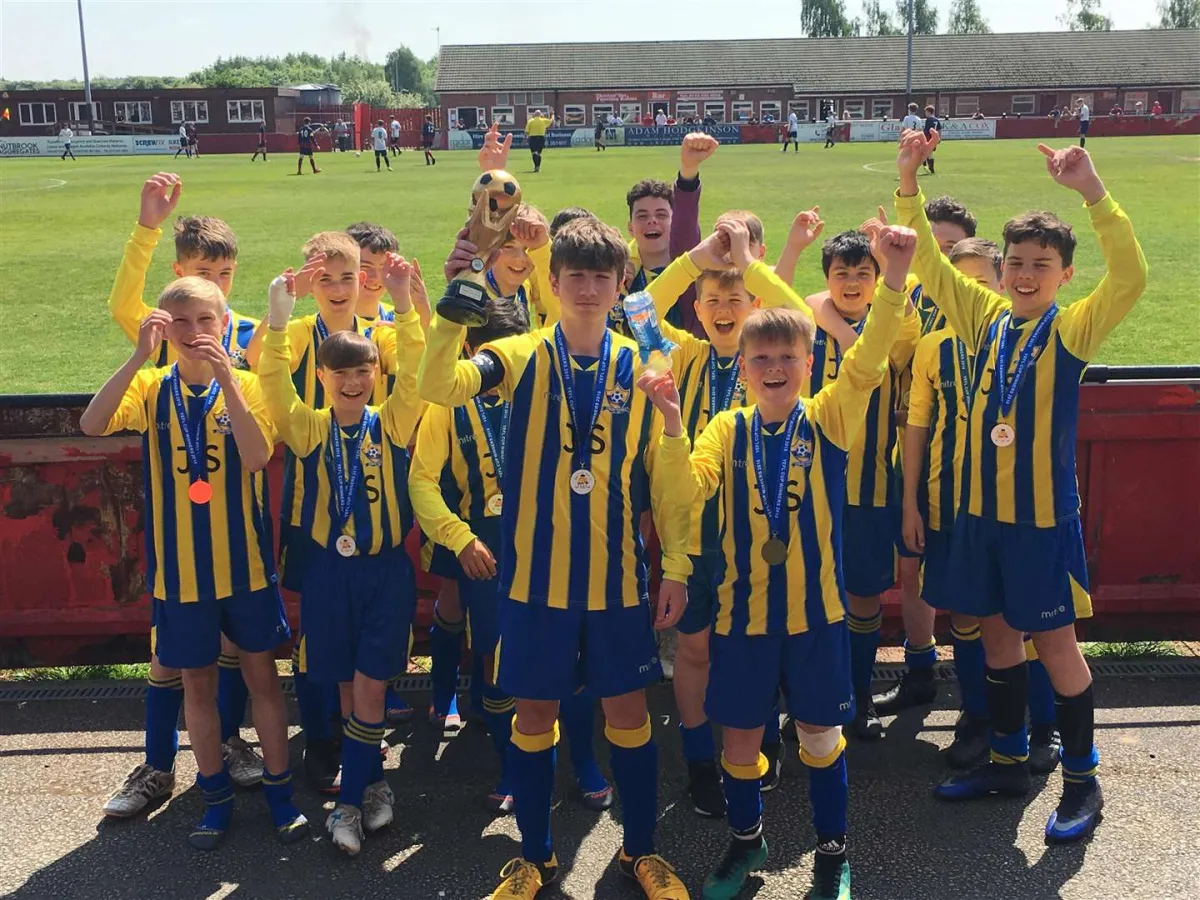 Photo: Gonerby YFC, via www.granthamjournal.co.uk
Parents are left trying to piece together something that works. Therapy where they can access it. Sport where it holds their child's interest. Screen time negotiations that feel increasingly futile. It's exhausting, and it often feels like the solutions on offer are either expensive, hard to access, or just not quite the right fit.
Here's a suggestion that might sound left-field. Have you looked at what Gonerby YFC actually offers?
What the Research Says About Young People and Nature
Before we get into the specifics of what happens at Gonerby, it's worth grounding this in something that youth psychology research has been quietly building the case for over the past two decades: contact with natural environments, animals, and purposeful physical work has measurable, significant benefits for young people's mental health.
Studies from the University of Exeter and elsewhere have consistently found that regular time in natural settings reduces cortisol levels, improves mood, and builds the kind of emotional regulation that helps young people handle stress more effectively. Working with animals — the care, the patience, the nonverbal communication required — has been shown to reduce anxiety and build empathy in adolescents in ways that are hard to replicate through other means.
 Photo: University of Exeter, via www.canamgroup.com
This isn't alternative therapy. It's evidence. And it's the daily reality for young people involved in agricultural communities like the one Gonerby YFC exists to support and celebrate.
The Belonging Problem — And Why YFC Solves It Differently
One of the most consistent findings in adolescent mental health research is that a sense of belonging — genuine belonging, not the curated social performance of social media — is protective. Young people who feel they are part of something real, who have relationships built on shared experience rather than shared content, are measurably more resilient.
Gonerby YFC builds that kind of belonging almost as a byproduct of existing. Members work together on real tasks with real stakes. They travel to competitions together, mess things up together, solve problems together. The relationships that form in that context are qualitatively different from school friendships or online connections — they're built on doing, not performing.
"My daughter was really struggling in Year 10," one Lincolnshire parent told us. "Not dramatically — just that low-level anxiety and withdrawal that you read about everywhere. She joined YFC on a bit of a whim, honestly, because a friend dragged her along. Within a few months she was different. More grounded. She had somewhere to go where she wasn't being judged on her looks or her grades or how many followers she had. She was just useful."
That word — useful — comes up again and again in conversations with members and their families. There is something profoundly stabilising about being genuinely needed, about contributing to something tangible. In an adolescent world that often feels abstract and performance-driven, the experience of mattering in a practical, grounded way is rare and valuable.
Structure Without Pressure: Getting the Balance Right
One of the things that distinguishes Gonerby YFC's impact on young people's wellbeing from more formal interventions is the nature of its structure. The club is organised and purposeful — there are events, competitions, responsibilities, deadlines — but it carries none of the high-stakes pressure of academic performance or the social anxiety of unstructured teenage social life.
Members take on roles and responsibilities that stretch them, but within a community that is genuinely supportive. The older members model what it looks like to handle pressure, take responsibility, and pick yourself up after a setback. The competitions are real, but the culture around them is one of learning and improvement rather than shame and exclusion.
Youth psychologists describe this as a "developmentally appropriate challenge" environment — the sweet spot where young people are stretched enough to grow without being overwhelmed. It's harder to engineer than it sounds, and Gonerby YFC manages it largely through the inherent nature of what it does rather than through deliberate therapeutic design.
The Specific Things That Make a Difference
If you're a parent trying to evaluate this practically, here are the specific elements of Gonerby YFC membership that have the most consistent impact on young people's wellbeing, based on what members and their families describe:
Working with animals. Whether it's livestock judging, farm visits, or simply spending time around working animals, the effect on anxious teenagers is consistently calming and grounding. Animals don't care about your social media presence. They respond to how you actually show up.
Physical, outdoor activity. Not exercise for exercise's sake, but purposeful physical work in natural environments. The county sports competitions, the farm-based activities, the events that happen in fields rather than on screens — all of it contributes to the physical health baseline that underpins mental health.
Real responsibility. Club members take on genuine roles — organising events, managing budgets, representing the club at county level. The confidence that comes from having done something real and difficult is qualitatively different from anything a structured programme can manufacture.
A community with shared values. Gonerby YFC attracts young people who are connected to the land, to their community, and to a set of values around hard work, practical contribution, and genuine care for the people around them. That's a powerful peer environment for a teenager to be part of.
A Direct Word to Parents Who Are on the Fence
If your teenager is struggling — with anxiety, with isolation, with the particular aimlessness that afflicts so many young people right now — the instinct is often to look for something targeted and professional. Sometimes that's exactly right, and professional support should absolutely be accessed when it's needed.
But alongside that, or sometimes before it becomes necessary, consider what a structured, purposeful, community-rooted organisation like Gonerby YFC offers. It won't fix everything. It isn't therapy. But it provides something that therapy often works to rebuild in young people who've lost it: a sense of identity rooted in what they can do, who they belong to, and why they matter.
That's not a small thing. Right now, for a lot of Lincolnshire teenagers, it might be exactly the thing.
Gonerby YFC is open to young people aged 10 to 26. You don't need to be from a farming background. You just need to be willing to show up — wellies optional, but recommended.