Ten Years On: How Gonerby YFC Quietly Shaped the Adults Nobody Expected
Nobody joins a Young Farmers Club thinking it will change their life. You join because a mate drags you along, or your parents nudge you, or you're vaguely curious about what happens at those meetings in the village hall. You turn up once, then again, and somewhere along the way it becomes part of how you see yourself.
What happens after that is the part that takes a decade to fully understand.
We tracked down former Gonerby YFC members — people who joined as teenagers and are now navigating their late twenties and thirties — to ask a simple question: what did it actually do for you? The answers were anything but simple.
The Farmer Who Almost Wasn't
Rob, 31, farms 400 acres outside Grantham with his father and younger brother. From the outside, his trajectory looks obvious — farm kid joins farming club, becomes farmer. The reality is more complicated.
"At 16 I was seriously considering leaving. Not the farm — everything. I didn't see a future in agriculture and I didn't think there was a place for someone like me in it," he says. "YFC showed me a completely different version of what rural life could be. The competitions, the county events, meeting people from completely different backgrounds who were all in the same world — it reframed everything."
Rob went on to represent Lincolnshire in a national stockjudging competition at 18, studied at the Royal Agricultural University, and returned to the family farm at 24 with a business plan that has since doubled their output. He credits the confidence built through Gonerby YFC events — the public speaking, the judging, the sheer repetition of putting himself forward — as the foundation everything else was built on.
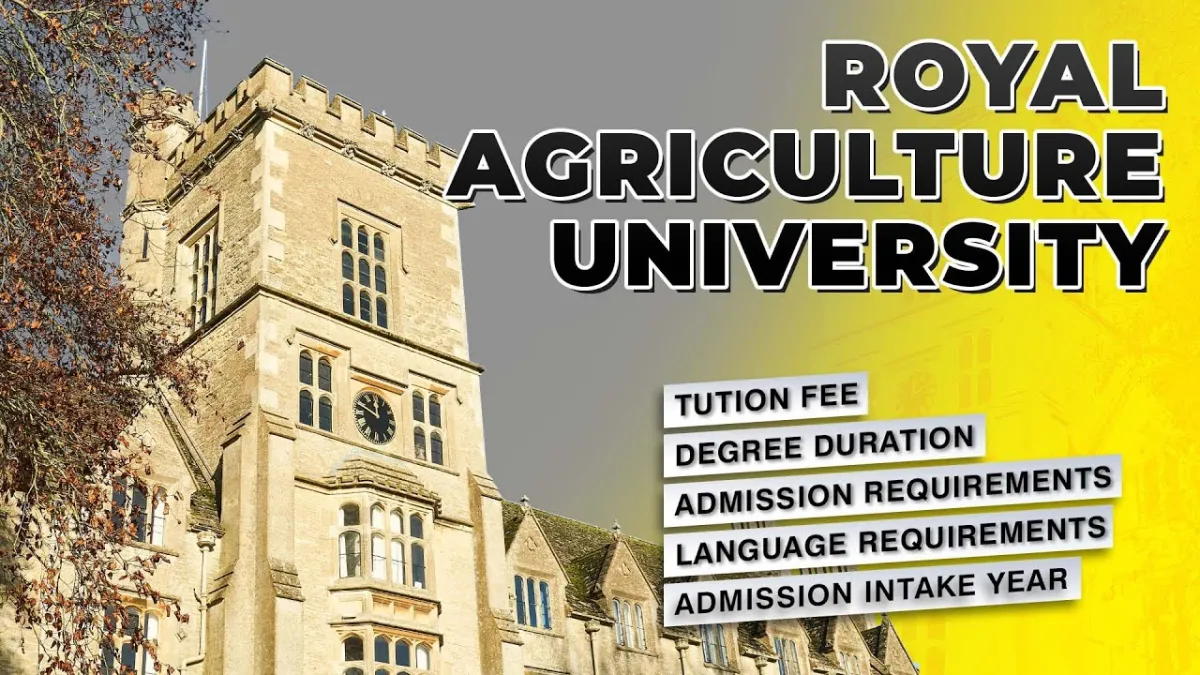 Photo: Royal Agricultural University, via i.ytimg.com
"I wouldn't have had the nerve to stand up in front of a bank manager at 24 without years of standing up in front of judges at 17. That's just the truth."
The One Who Left the Land (And Took It With Her)
Not everyone stays in agriculture. Gonerby YFC has never pretended otherwise, and that's part of what makes it genuinely valuable.
Sarah, 28, is now a secondary school PE teacher in Nottingham. She grew up on a smallholding near Gonerby and joined YFC at 15, initially for the social side. She left farming behind when she went to university and never went back professionally. But she'll tell you — unprompted — that YFC runs through everything she does in the classroom.
"The way I run team activities, the way I talk to kids who are struggling with confidence, the way I handle a group that's falling apart under pressure — all of that comes from YFC," she says. "I learned how to lead a group of people who didn't necessarily want to be led. That's basically my job description."
She still follows Gonerby's results at county competitions. She took a group of her Year 9 pupils to a local agricultural show last summer — the first time most of them had ever seen a working farm animal up close. "I wanted them to have a version of what I had. Even a tiny version."
The Unexpected Ones
Perhaps the most striking thing about tracking former Gonerby members is the sheer variety of where they've ended up.
Marcus, 33, is a captain in the British Army. He grew up in a village near Grantham, joined YFC at 16 with no farming background whatsoever, and describes it as "the first place I ever felt like I was part of something bigger than myself." He enlisted at 18 and has served in multiple postings since. He says the discipline, the teamwork, and the ability to function under pressure that military life demands were all things he first encountered — in a much gentler form — at Gonerby YFC.
Laura, 29, runs a successful rural events business that she started at 26. She'd organised YFC fundraisers and social events as a teenager and discovered, almost by accident, that she was exceptionally good at logistics, people management, and making things happen on a budget. "I basically did an unpaid apprenticeship in event management for four years without realising it," she laughs.
Then there's Dan, 27, who works in agricultural finance in Lincoln. He joined Gonerby YFC at 16 knowing nothing about farming and everything about spreadsheets. "I was the weird one who liked the business side of the meetings," he admits. He now advises farming families on financial planning and credits YFC with giving him the agricultural context that makes him genuinely useful to his clients in a way his university degree never could.
The Thing They All Said
Interviewing former members across such different careers and life paths, you might expect their Gonerby YFC memories to be equally varied. They're not, really. Almost every person, unprompted, mentioned the same things.
Friendships. Not the casual kind — the kind that have survived a decade of different cities, different choices, different versions of themselves. Several former members mentioned attending each other's weddings. Others talked about business partnerships that grew directly from YFC connections.
Confidence. Not the performed kind, but the earned kind — built through doing difficult things in front of people who were watching, falling short sometimes, and going back and trying again.
And belonging. A sense that they were part of something rooted — literally and figuratively — in a place and a community that would outlast any individual chapter of their lives.
Why It Matters Now More Than Ever
Rural isolation isn't an abstract policy concern. It's a daily reality for teenagers in Lincolnshire villages who might have one bus service a day and a social life that depends entirely on who has a driving licence.
Gonerby YFC has always been, in part, an answer to that problem. But what the ten-year view reveals is that the answer goes far deeper than just filling a teenager's Friday nights. It plants something that keeps growing long after the membership card expires.
"I joined because I was bored," says Rob, the farmer we started with. "I stayed because it was the best thing in my week. And now, looking back — it was the best investment I ever made in myself. And it cost me about forty quid a year."
Not a bad return.