Three Nights, No Sleep, and Everything You Need to Know About Leading: Gonerby's Lambing Season Diaries
Three Nights, No Sleep, and Everything You Need to Know About Leading: Gonerby's Lambing Season Diaries
It's half two in the morning. The barn smells of straw and lanolin, and sixteen-year-old Maisie Thornton is crouched in a lambing pen, guiding a ewe through a difficult birth with hands steadier than most adults could manage after a full night's rest. She hasn't slept in twenty-two hours. She doesn't look like she's thinking about that.
"You just focus on what's in front of you," she says afterwards, wiping her hands on her overalls. "There isn't really time to feel tired."
This is lambing season at Gonerby YFC — and if you want to understand where the club's quiet, unshakeable confidence comes from, you start here.
Why Lambing Is Different From Everything Else
Gonerby YFC runs a packed calendar. There are competitions, socials, fundraisers, and skills workshops spread across the year. But ask any long-standing member what changed them most, and lambing season comes up again and again. It's not the most glamorous activity on the schedule. It's muddy, exhausting, emotionally unpredictable, and entirely unforgiving of half-measures.
That's precisely the point.
Unlike a tug-of-war competition or a public speaking contest, lambing doesn't wait for you to feel ready. A ewe in distress doesn't care that you've only been a YFC member for three months. A newborn lamb that isn't breathing needs someone to act — now, calmly, correctly. For young people used to the relatively forgiving rhythms of school and social life, that shift in stakes is genuinely transformative.
Club leader Dan Whitfield, who has overseen the YFC's lambing involvement for the past six years, puts it plainly. "You can teach someone to give a speech. You can coach someone through a stock-judging class. But you can't simulate the feeling of being responsible for a living thing at two in the morning when something goes wrong. That's a different kind of education entirely."
 Photo: Dan Whitfield, via termlimits.com
Following the First-Timers
This year, three newer members — Maisie, fifteen-year-old Josh Armitage, and seventeen-year-old Freya Calloway — agreed to let us follow them through a lambing week at a farm just outside Grantham that the club has partnered with for several seasons.
Day one is all observation. The older members and farm staff guide the newcomers through the basics: checking ewes for signs of imminent labour, understanding what a normal birth looks like, identifying when intervention is needed. Josh, who grew up in a village but hasn't worked directly with livestock before, admits he's nervous.
"I kept thinking I was going to do something wrong and make it worse," he says. "But everyone just gets on with it and explains as they go. It's not scary once you're actually doing it."
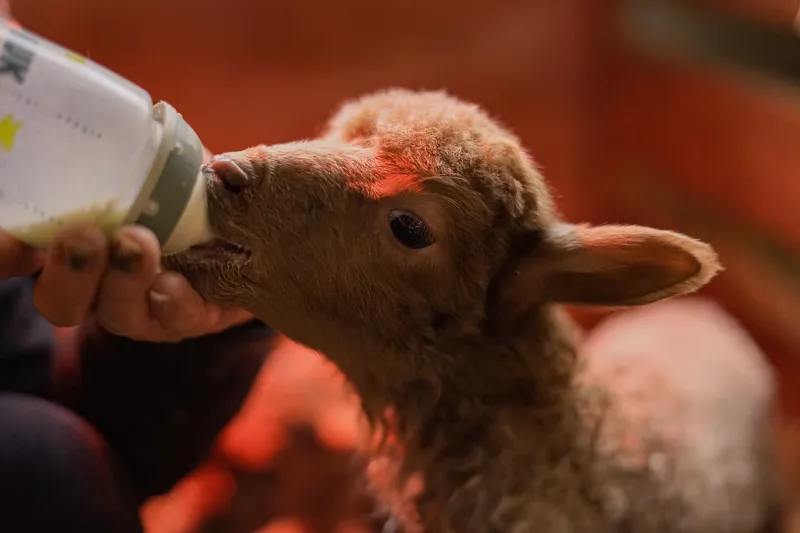
By day three, all three are taking shifts independently. Freya handles her first solo delivery — twins, both healthy — and describes the experience with a slightly dazed grin. "I rang my mum straight after. I don't think I've ever felt like that before. Like I'd actually done something real."
The harder moments come too. A lamb born too early that doesn't make it despite everyone's efforts. A ewe who rejects her young and has to be managed carefully over the following days. These aren't tidy lessons with comfortable conclusions. Maisie, who has a natural affinity with the animals, finds these moments the most instructive.
"You learn that you can do everything right and still lose," she says. "That's hard. But it's also just true, isn't it? You can't always control the outcome. You just do your best and keep going."
The Skills You Don't Realise You're Building
Ask the three of them what they've learned and they'll talk about the practical stuff first — assisted births, tube feeding, recognising hypothermia in newborns. But spend a bit more time with them and something else emerges.
Josh talks about decision-making under pressure. Freya mentions how differently she now thinks about responsibility — not as a burden but as something you grow into. Maisie, quietly, says she's noticed she's less fazed by problems at school. "Things that used to feel massive just... don't anymore. I think it's perspective."
Dan has seen this pattern repeat itself across dozens of young members over the years. "They come in thinking lambing is about the lambs. And it is — but it's also about them. They find out what they're made of. And nine times out of ten, they're made of more than they thought."
These aren't abstract qualities. Patience when a situation isn't resolving quickly. Clear communication when you're handing over a shift to the next person. The ability to stay calm when the stakes feel high. These are the building blocks of genuine leadership — and they're being laid down in a Lincolnshire barn at three in the morning.
Something Urban Life Simply Can't Replicate
It's worth saying plainly: this kind of experience isn't available everywhere. Urban teenagers — even brilliant, capable ones — rarely encounter situations where their decisions have immediate, tangible consequences for a living creature. The YFC's rural roots aren't just a heritage detail. They're an active advantage.
Gonerby YFC has always understood that the land isn't just a backdrop to what they do. It's a teacher. Lambing season is one of the most vivid examples of that philosophy in action — a reminder that some of the most important lessons in life come not from a classroom or a screen, but from a cold barn, a pair of steady hands, and a lamb that needs you to know what you're doing.
By the end of the week, all three first-timers are already talking about next year.