Show Me the Money: The Grassroots Fundraising Machine Keeping Gonerby YFC Running
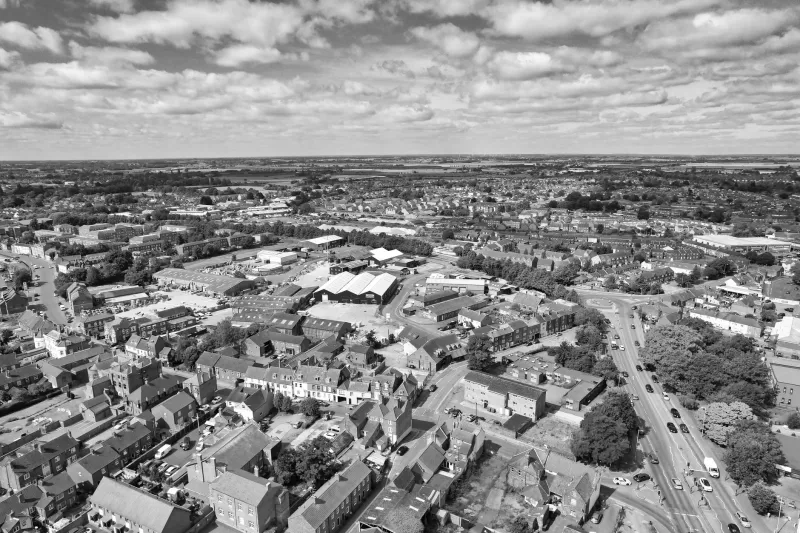
Let's be honest about something that rural community organisations rarely say out loud: keeping a club like Gonerby YFC running costs real money. Entry fees for county competitions. Transport to regional events. Equipment for skills workshops. Insurance. Venue hire. The list is longer than most members realise, and it doesn't get shorter as the calendar fills up.
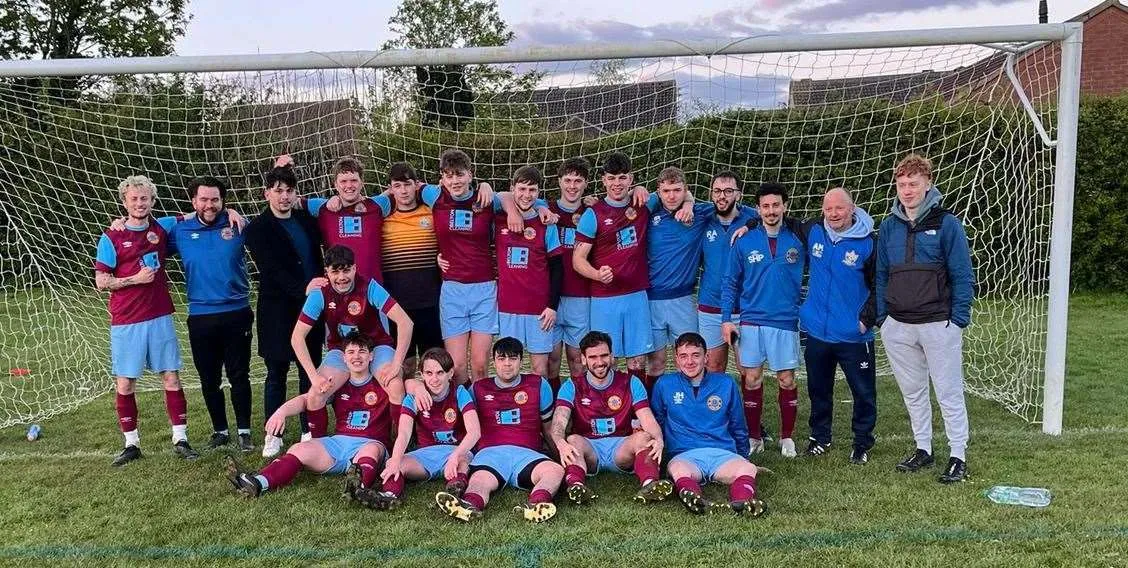 Photo: Gonerby YFC, via www.lincsonline.co.uk
So how does Gonerby YFC fund it all? The answer is less mysterious than you might expect — and a lot more impressive.
The Real Cost of Running a Rural Youth Club
Before we get into the how, it's worth understanding the what. Club treasurer Emma Farrow, who took on the role two years ago after serving on the committee in a more general capacity, is refreshingly open about the numbers.
"People assume we're mostly grant-funded, or that membership fees cover everything," she says. "They don't. Membership fees contribute, but they're never going to cover the full picture. We've got competition entries, kit, travel costs, venue hire for events — it adds up quickly. A single county competition weekend can cost the club several hundred pounds before you've even thought about anything else."
The club receives some support through the National Federation of Young Farmers' Clubs and occasionally benefits from rural community grants, but the backbone of Gonerby YFC's finances is something altogether more self-sufficient: a creative, diversified fundraising model built from the ground up by the members themselves.
Auctions, Produce, and the Power of Local Goodwill
One of the club's most reliable annual fundraisers is its charity auction, held each autumn and drawing in farmers, local businesses, and community members from across the area. The lots are a genuinely eclectic mix — donated farm equipment, hampers of locally produced food, hand-crafted items made by members, and services ranging from a day's hedge laying to bespoke farm photography.
"The auction works because it's genuinely fun," says committee member and events coordinator Callum Briggs. "People come for the atmosphere as much as the lots. It's become one of those evenings that the community looks forward to."
Produce sales have also become a steady income stream. Members and their families donate seasonal goods — vegetables, eggs, jams, chutneys, honey — which are sold at local markets and YFC events. It's a simple idea, but it's effective precisely because it's rooted in what the community actually produces and values.
Farm Tours and Open Days
Perhaps the most distinctive element of Gonerby YFC's fundraising toolkit is its farm tour programme. Partnering with member farms, the club organises guided visits for schools, community groups, and interested members of the public — charging a modest fee that goes directly into club funds.
These events serve a dual purpose. They generate income, yes, but they also build the kind of goodwill and community connection that pays dividends in other ways. Local businesses that attend a farm tour are more likely to sponsor a future event. Families who bring their children along are more likely to consider YFC membership. The financial and community benefits are genuinely intertwined.
"We've had groups come from as far as Nottingham," says Callum. "People are curious about where their food comes from, and we're in a position to show them. That's worth something — to them and to us."
Sponsored Challenges: Mud, Miles, and Motivation
Go back through Gonerby YFC's recent history and you'll find a satisfying catalogue of sponsored challenges. Cross-country runs through Lincolnshire farmland. Tractor-pull fundraisers. Sponsored silences (harder than they sound at a YFC meeting). A memorable overnight walk along the Viking Way that raised a significant sum for both club funds and a chosen local charity.
 Photo: Viking Way, via cdn.shopify.com
These events work for a few reasons. They're inherently shareable — members get their friends and family involved in sponsorship, widening the club's reach. They're also genuinely enjoyable, which means participation is high. And they reinforce the physical, community-minded identity that Gonerby YFC has built over decades.
"We always split the proceeds," Emma explains. "Part goes to the club, part goes to a charity the members vote on. That matters to people. They're not just funding our trip to a competition — they're doing something good at the same time."
The Committee That Makes It Work
None of this happens by accident. Behind every successful fundraiser is a committee that plans months in advance, negotiates with local businesses, manages logistics, and keeps careful track of every pound in and out. Emma, Callum, and the rest of the Gonerby YFC committee do this work largely in their spare time, around jobs, studies, and farm commitments.
It's worth naming that as the genuine achievement it is. Financial management, event planning, stakeholder relationships, community engagement — these are professional-level skills being exercised by young people who, in many cases, are still in their late teens or early twenties.
"I've learned more about budgeting and event management from doing this than I ever expected," Emma says. "It's made me think differently about money and planning in general. That's not nothing."
A Model Worth Borrowing
Gonerby YFC's approach to fundraising isn't complicated, but it is consistent. It's diverse enough to weather a bad year in any one area. It's community-facing enough to build genuine goodwill. And it's participatory enough that members feel invested in the outcomes, because they've worked for them.
For other YFC branches and rural community organisations looking to reduce dependence on grants and membership fees alone, the Gonerby model offers a practical blueprint. Diversify your income streams. Root your fundraising in what your community actually produces and values. Make your events worth attending for their own sake. And get your members genuinely involved in the financial side — because the skills they'll develop in the process are worth at least as much as the money they'll raise.
The land provides, as they say. But it helps enormously to have a very good treasurer.