The Invisible Months: What You Never See Before Gonerby's Show Ring Moments
Photo: Sebastian Münster, Public domain, via Wikimedia Commons
The Invisible Months: What You Never See Before Gonerby's Show Ring Moments
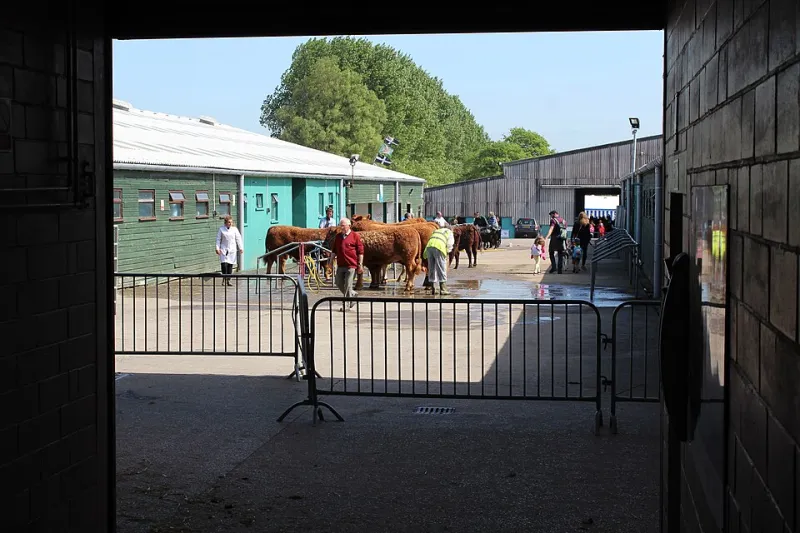
The photograph that ends up on the club's social media — handler composed, animal perfectly presented, judge nodding approvingly — tells about five percent of the story. The other ninety-five percent happens in the weeks and months before, in a series of unglamorous, painstaking, often hilarious preparations that most spectators never think to ask about.
At Gonerby YFC, show day is not an event. It is the final chapter of a very long book.
It Starts Earlier Than You Think
"People assume we start getting ready maybe a week or two out," says Ellie, twenty, who has been competing in livestock showing classes for four years. "The reality is that serious preparation starts in late winter for a summer show. You're thinking about condition, you're thinking about training the animal to lead properly, you're thinking about what the judge is going to be looking for. It's ongoing."
 Photo: Ellie, via cdna.artstation.com
Animal condition — the precise balance of muscle, fat coverage, and overall bloom that makes a show animal look its best — cannot be manufactured in a fortnight. It is the product of months of careful feeding, consistent handling, and an almost obsessive attention to detail that characterises the best young showpeople.
Club leader and experienced stockman Rob has been mentoring Gonerby YFC members through show preparation for over a decade. He describes the process as one of the most complete educational experiences the club offers.
"You're teaching young people to think in timelines. To work backwards from a fixed date and ask: what needs to happen by when? That's a skill that transfers everywhere — but here, the stakes are real. If you haven't done the groundwork, it shows in the ring. There's nowhere to hide."
The Art of the Animal
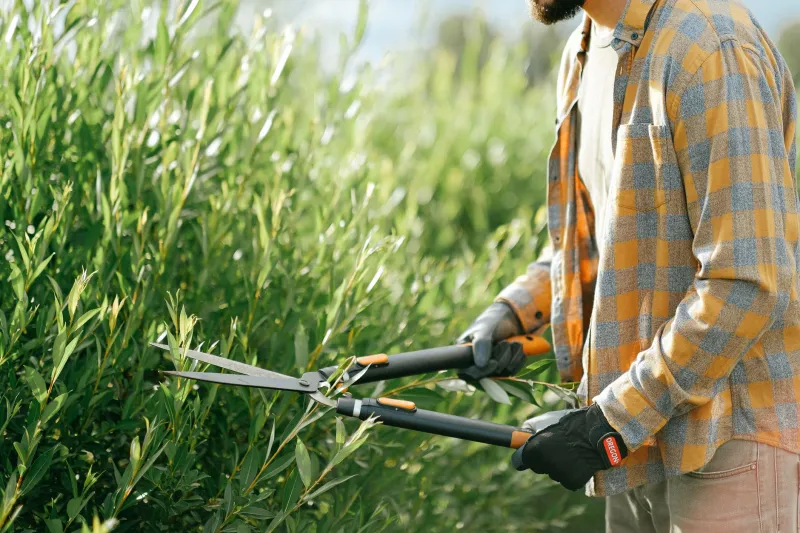
For those not immersed in agricultural showing, the grooming routines involved can come as something of a surprise. Show preparation for cattle and sheep involves washing, clipping, trimming, and in some cases applying specific products to enhance the coat's appearance and condition. It is skilled, time-consuming work — and getting it wrong is very obvious to an experienced judge.
"I spent two hours once on a heifer's tail," admits seventeen-year-old Sam with a grin that suggests he has made peace with this fact. "Two hours. And then she decided to sit in something deeply unpleasant the morning of the show and I had to start again. That's livestock for you."
The ability to remain unruffled by exactly this kind of setback is itself part of what showing teaches. Plans collapse. Animals are unpredictable. Weather intervenes. The response to these disruptions — calm, pragmatic, focused on the next step rather than the lost effort — is a disposition that Gonerby YFC members develop through repeated exposure to exactly these situations.
Late Nights and Early Mornings
In the weeks immediately before a major show, preparation intensifies. Members describe evenings spent practising showmanship technique — the specific way of presenting an animal to best advantage while maintaining control and composure — long after the yard lights have come on.
"You practise your positioning, your footwork, where your eyes go, how you respond if the animal moves unexpectedly," explains Ellie. "It sounds like a lot for what looks like walking an animal around a ring. But the difference between someone who's put that time in and someone who hasn't is immediately visible."
Parents of younger members often describe a particular kind of focused determination that emerges in the weeks before a show — a self-motivation that can be harder to locate during school revision season.
"My daughter would be out there at seven in the morning before school, just working with her lamb," says one Gonerby parent. "Nobody told her to. She'd set her own alarm. I found that quite extraordinary, honestly."
The Logistics Nobody Claps For
Beyond the animal work itself, show day requires a logistical operation that would not embarrass a small events company. Transport arrangements, equipment checks, entry form deadlines, timing schedules, and the particular challenge of moving livestock calmly and efficiently all fall to a combination of club leaders, parents, and members themselves.
Rob describes the coordination involved as one of the more underappreciated aspects of the whole enterprise. "You've got animals to load, equipment to pack, people to account for, schedules to manage. Something always goes slightly wrong and someone always needs to think quickly. It's a real team effort — and the people who hold it together rarely end up in the photographs."
Those unsung organisers — the parents who drove at five in the morning, the club leaders who triple-checked the entry forms, the older members who helped nervous newcomers load their animals — are as much a part of each show day success as the handler in the ring.
What the Rosette Actually Represents
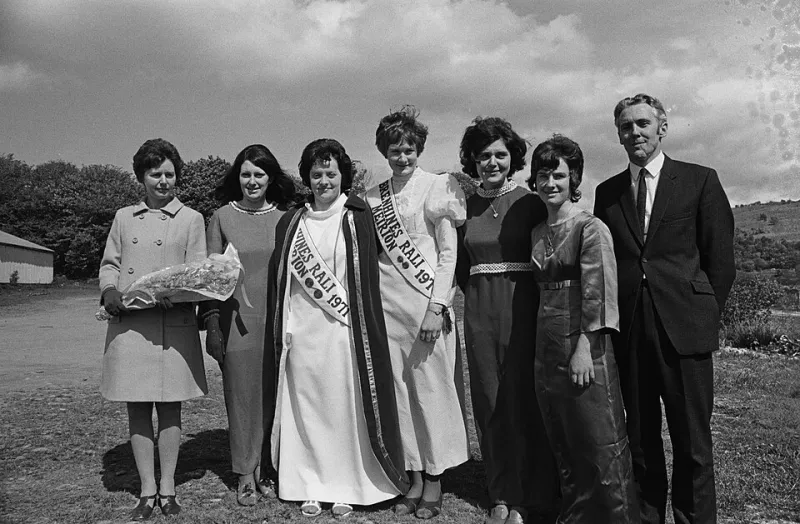
When Gonerby YFC members do well in the show ring — and they do, with consistent regularity at county level — the visible result is a ribbon and a moment of recognition. What it actually represents is months of disciplined preparation, genuine teamwork, and the kind of deep practical knowledge that only comes from sustained, serious engagement with the work.
The show ring is where that investment becomes visible. But the real competition — the one against complacency, against cutting corners, against the temptation to do less than the job requires — is won or lost long before show day arrives.
At Gonerby YFC, they know which battle matters most.