Clippers, Chaos and Countdown: Inside the 48-Hour Sprint to Show Day
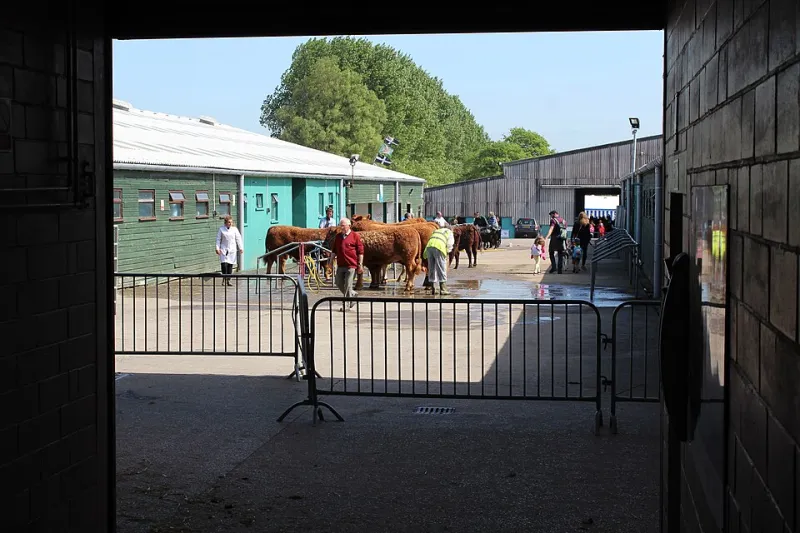
Photo: M J Roscoe , CC BY-SA 2.0, via Wikimedia Commons
By the time the gates open and the public streams in, it all looks effortless. Animals standing square and gleaming under the summer sun, handlers composed and smartly turned out, every ribbon and rosette placed just so. What the crowds don't see — what they can't see — is the extraordinary, occasionally chaotic, always exhausting forty-eight hours that produced this moment.
We spent two days with Gonerby YFC members in the lead-up to a major Lincolnshire agricultural show. What follows is as honest an account as we could manage.
T-Minus 48 Hours: The List That Never Gets Shorter
It starts, always, with a list. Show preparation at Gonerby YFC level is a logistical operation that would give most event managers a headache, and it begins two days before the gates open.
Animals need washing — properly, not just a cursory hose-down. Feet need trimming. Fleeces and coats need clipping to a standard that can take years to master. Equipment needs checking, loading, and double-checking. Entry paperwork needs confirming. Transport needs coordinating.
And this is before anyone has had breakfast.
"The list is a living document," says Hannah, 20, who has been preparing animals for competition since she was 15. "You write it the night before, think you've covered everything, and then you remember that the halter for the Texel cross is in the back of someone else's Land Rover and they're forty minutes away."
The team assembles at the farm by 7am on the day before the show. There are six of them today — a mix of experienced hands and newer members getting their first proper taste of the preparation process. The energy is focused but loose, the kind of productive chaos that only works because everyone broadly knows their role.
T-Minus 36 Hours: The Art of the Wash
Washing a show animal is not like washing a dog. It is slower, more technical, and considerably more likely to result in someone getting soaked.
The process begins with a thorough all-over wash using specialist shampoo — the kind that costs more per litre than most people spend on their own hair products. The animal needs to be completely calm throughout, which requires a handler who projects confidence even when they don't entirely feel it.
"Animals read you," explains Jake, 22, who has been showing cattle since he could walk. "If you're nervous, they're nervous. If you're calm, they're calm. It sounds simple but it takes a long time to actually be calm rather than just pretending."
Once washed, the drying process begins — towels first, then careful use of a blower to lift and separate the fleece or coat in preparation for clipping. For the uninitiated watching this happen for the first time, it looks like an elaborate grooming ritual. For the people doing it, it's precision work with very little margin for error.
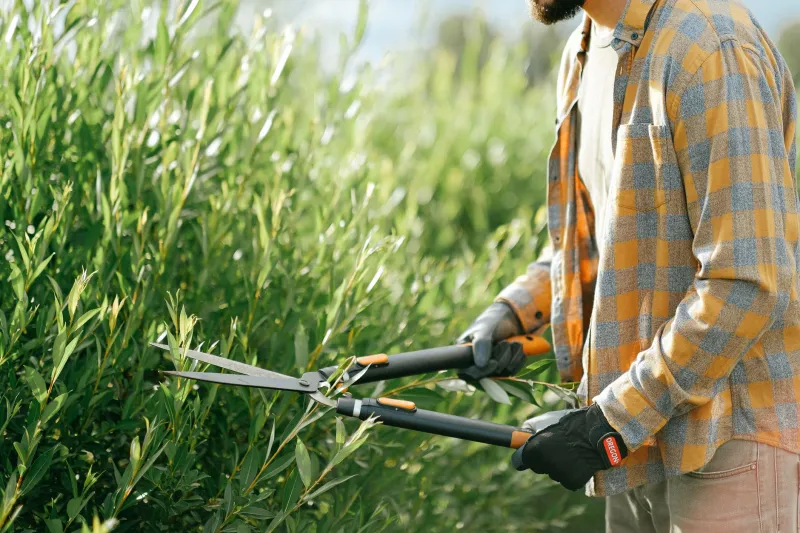
Sophie, 17, is attempting her first proper clip under Jake's supervision. She's been practising on a patient older animal for weeks, but this is the real thing. Her hands are steady. The clipper hums. Jake watches without hovering, offering quiet corrections.
"A bit more off the shoulder. Blend it in. Good. Now step back and look at the whole picture — you're always looking at the whole picture."
T-Minus 24 Hours: When Things Go Sideways
At approximately 3:15pm on the day before the show, one of the younger lambs decides that the pen is no longer an acceptable living arrangement and makes a break for it.
What follows is five minutes of surprisingly athletic pursuit across a farmyard, involving three members, a gate that swings the wrong way, and language that we'll choose not to reproduce here. The lamb is eventually cornered behind a tractor by a combination of patience and tactical positioning.
"That's the show circuit," says Hannah, completely unfazed, the lamb now back in the pen and seemingly unaware of the drama it caused. "Something always goes wrong. You just have to deal with it and move on."
This is, it turns out, one of the most valuable lessons the show circuit teaches. Things go wrong. Equipment breaks. Animals are uncooperative. Weather turns. The skill is not in preventing these things — it's in absorbing them, adapting quickly, and not letting the disruption derail everything else.
By evening, the animals are washed, dried, and in various stages of clipping. The trailer has been checked and bedded down with fresh straw. A list of tomorrow's timings has been drawn up and distributed. Someone has made an enormous batch of sandwiches.
T-Minus 12 Hours: The Quiet Before
The night before a show has its own particular atmosphere. The work is largely done — there's always last-minute touching up, always one more thing to check — but the main effort has been made. What remains is the waiting, and the nerves that come with it.
For newer members, the nerves are mostly about the ring itself: the moment when you walk your animal in front of the judge and everything you've prepared is on display. For experienced members, the nerves are subtler — a desire not to let the team down, a hope that the preparation holds up, a professional pride in the exhibit they're about to present.
"I still get nervous," admits Jake, who has won at county level multiple times. "I think the day I stop getting nervous is the day I stop caring. And I never want to stop caring."
Show Morning: The Payoff
The alarm goes at 5am. The animals are loaded by 6:30. By the time the showground gates open, the Gonerby YFC team are already set up, their exhibit gleaming and squared away, the chaos of the previous 48 hours invisible to everyone who walks past.
A couple of members are applying finishing touches — a light spray here, a final brush there. Sophie is walking her animal in small circles to keep it settled, talking to it quietly in the way that Jake showed her. Hannah is checking the entry numbers one last time.
The judge arrives. The ring fills. And everything that happened in the last two days — the early starts, the escaped lamb, the careful clipper work, the sandwiches eaten standing up at 11pm — distils itself into this single, concentrated moment.
Whatever the result, the work was real. The skill was real. The team was real.
And next year, they'll do it all again.