The Transformation Nobody Sees Coming
Sixteen-year-old Emma Hartwell's hands shake as she grips the lectern. Three months ago, she wouldn't order her own fish and chips without her mum's help. Today, she's addressing sixty Young Farmers from across Lincolnshire about sustainable agriculture practices. Her voice wavers for just a moment before finding its strength.
"When I first joined Gonerby YFC, I literally hid behind the hay bales during meetings," Emma admits later, her confidence now evident. "The thought of speaking in front of anyone made me feel physically sick."
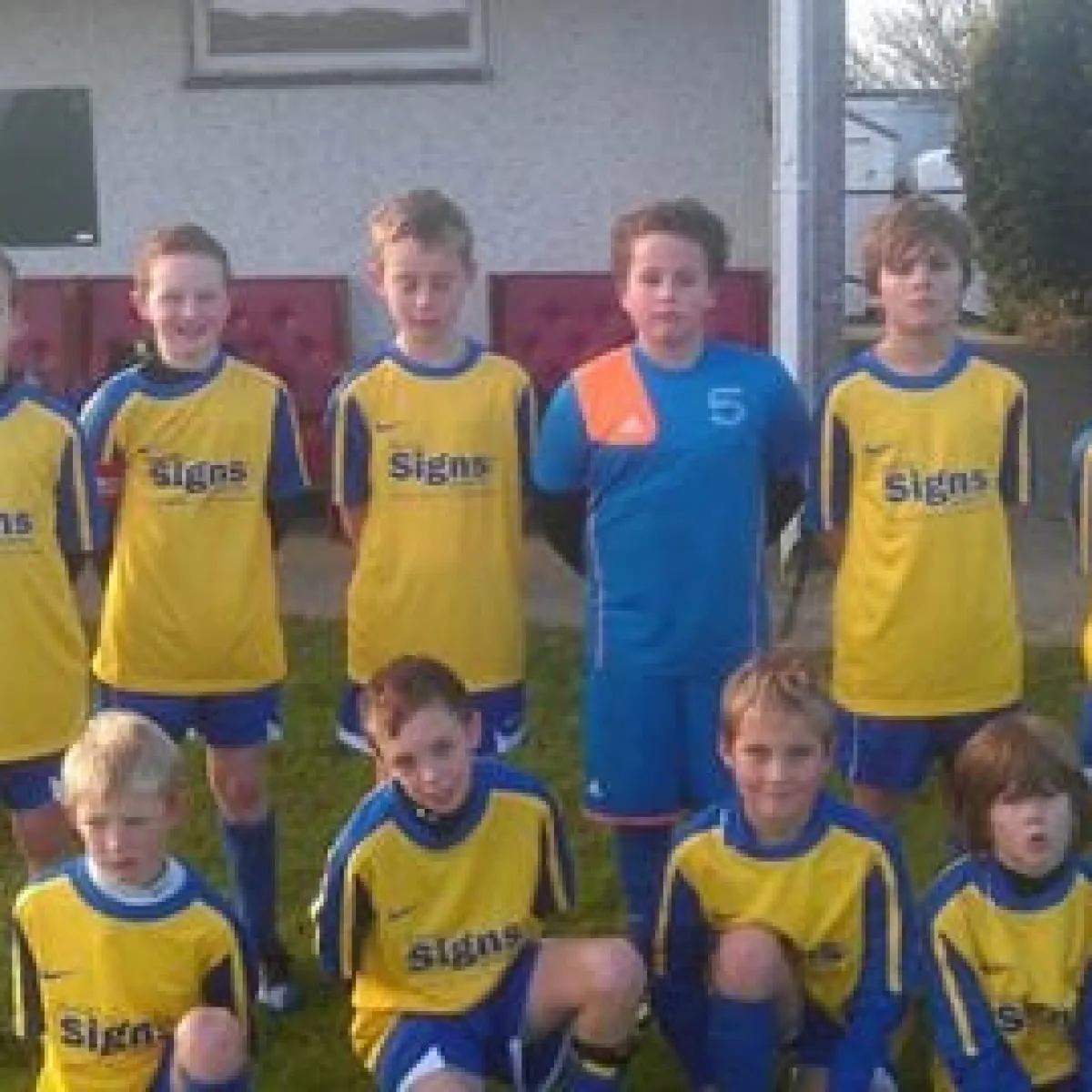 Photo: Gonerby YFC, via www.goonhavernafc.co.uk
Emma's journey from silent observer to county-level competitor exemplifies a quiet revolution happening in village halls across rural England. While urban teenagers flock to drama clubs and debating societies, young farmers are discovering their voices through a uniquely agricultural lens that's producing some of the most compelling speakers the countryside has ever seen.
More Than Just Talking About Tractors
Gonerby YFC's public speaking programme extends far beyond agricultural topics, though the farming foundation provides an authentic starting point that resonates with rural audiences. Members tackle subjects ranging from mental health awareness to environmental policy, from local history to international development.
"The beauty of our speaking competitions is that they're rooted in real experience," explains Sarah Mitchell, Gonerby's youth development coordinator. "These young people aren't theorising about rural life – they're living it. When they speak about community resilience or environmental stewardship, they're drawing from genuine knowledge."
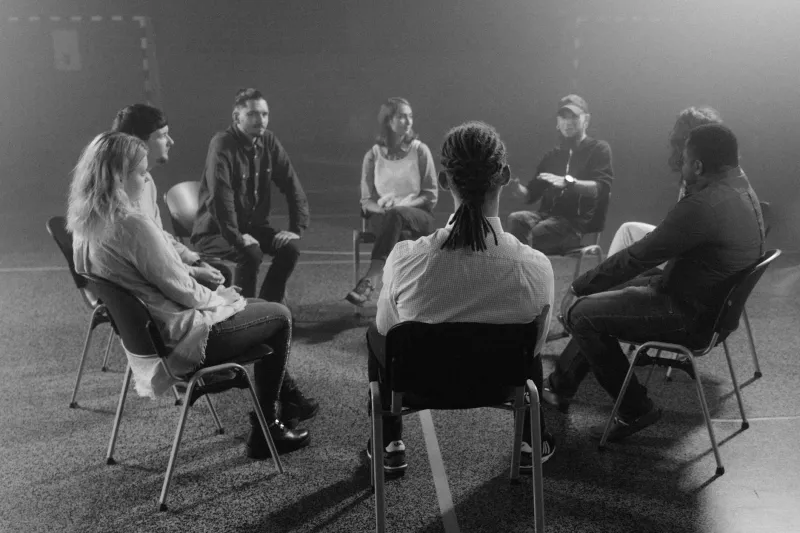
The club's structured approach begins with informal 'soap box' sessions during monthly meetings, where members share three-minute thoughts on anything that matters to them. No preparation required, no judgement allowed – just practice finding their voice in a supportive environment.
The County Competition Circuit
As confidence builds, members progress to formal competitions that follow the National Federation of Young Farmers' Clubs framework. The junior category (ages 10-16) focuses on prepared speeches, while seniors tackle impromptu speaking and debates that would challenge university students.
Jack Pemberton, now studying Agricultural Engineering at Harper Adams, credits his YFC speaking experience with landing his university place. "The interview panel commented on my communication skills immediately," he recalls. "They said it was rare to meet an eighteen-year-old who could articulate complex ideas so clearly."
 Photo: Harper Adams, via cdn.harper-adams.ac.uk
Jack's journey began with a faltering speech about his grandfather's ploughing techniques. Four years later, he was representing Lincolnshire at the National Finals, arguing passionately about precision farming technology. The progression wasn't accidental – it was carefully nurtured through weekly practice sessions and mentorship from older members.
Beyond the Farm Gate: Real-World Applications
The impact extends far beyond competition trophies. Parents consistently report dramatic improvements in their children's confidence across all areas of life. Academic performance often improves as young people become more willing to participate in classroom discussions and present projects with authority.
"My daughter went from refusing to read aloud in English class to volunteering for the school council," says Janet Morrison, whose daughter Hannah has been competing for two years. "The change has been remarkable. She's not just more confident – she's more thoughtful about how she communicates."
Local employers have noticed too. Lincolnshire's agricultural businesses increasingly recruit from YFC membership, partly because of the communication skills these young people develop. Estate managers, veterinary practices, and agricultural suppliers all value staff who can explain complex concepts to diverse audiences – from fellow professionals to concerned pet owners.
The Mentorship Magic
What sets Gonerby's approach apart is the peer mentorship model that naturally emerges. Older members take genuine pride in coaching newcomers, creating a supportive ecosystem that extends far beyond formal training sessions.
Tom Bradley, now working as a farm consultant, still returns to judge junior competitions and offer guidance. "These kids are tackling subjects I wouldn't have dared touch at their age," he observes. "They're discussing climate change policy, mental health stigma, rural broadband infrastructure – topics that require both emotional intelligence and technical knowledge."
The mentorship works both ways. Younger members bring fresh perspectives that challenge established thinking, while older members develop leadership and coaching skills that prove invaluable in their careers.
Building Tomorrow's Rural Leaders
As rural communities face unprecedented challenges – from agricultural policy changes to demographic shifts – the need for articulate, confident advocates has never been greater. Gonerby YFC's public speaking programme isn't just developing individual confidence; it's cultivating a generation of rural leaders equipped to represent their communities on regional and national stages.
"We're not just teaching young people to speak," reflects Sarah Mitchell. "We're helping them find their voice in a world that often overlooks rural perspectives. These skills – listening carefully, thinking critically, communicating clearly – these are the tools our communities need to thrive."
The transformation from wellies to wedding speeches might seem dramatic, but for members of Gonerby YFC, it's simply part of growing up in a community that believes every voice matters. In a world increasingly dominated by digital communication, these young farmers are proving that authentic, face-to-face dialogue remains one of the most powerful tools for creating positive change.
Whether they're addressing the parish council about youth facilities or presenting research findings at agricultural conferences, Gonerby's speakers carry with them the confidence that comes from knowing they belong – in any room, addressing any audience, tackling any challenge that matters to their community.