Breaking the Stereotype That Never Made Sense
Jessica Thompson lives in a Grantham semi-detached house, shops at Tesco, and has never owned wellington boots. Yet she's just been elected secretary of Gonerby YFC, beating candidates whose families have farmed Lincolnshire soil for generations.
"People assume I don't belong, but that assumption says more about their prejudices than my capabilities," Jessica states matter-of-factly. "YFC isn't about where you come from – it's about what you're willing to contribute."
Jessica represents a growing trend that's quietly revolutionising Gonerby YFC's membership. Nearly 40% of new members now come from urban backgrounds, drawn not by agricultural heritage but by something increasingly rare in modern youth culture: genuine community belonging.
What Towns Can't Offer
Urban youth organisations typically focus on single activities – football clubs, drama groups, or music societies. YFC offers something fundamentally different: a complete community experience where teenagers develop multiple skills whilst building lasting friendships.
"In town, you join separate clubs for different interests," explains Marcus Webb, whose family moved to Grantham from Birmingham three years ago. "Here, one evening might include public speaking practice, planning a charity event, and learning about sheep farming. It's like getting six youth clubs rolled into one."
Marcus discovered YFC through a school careers talk and initially felt intimidated by members discussing crop rotations and livestock breeding. However, he quickly realised that agricultural knowledge, whilst valuable, wasn't prerequisite for participation.
"They put me on the social committee first, organising quiz nights and barn dances. Turns out, event planning skills transfer whether you're arranging urban parties or rural gatherings – you just swap nightclub bookings for village hall rentals."
The Integration That Actually Works
Sceptics might expect tension between farming families and urban newcomers, but Gonerby YFC's experience suggests the opposite. Town kids bring fresh perspectives that farming members often lack, whilst rural members share practical knowledge that urban teenagers rarely encounter elsewhere.
"Some of our best fundraising ideas come from members with retail or hospitality backgrounds," notes club chairman David Parker, whose family has farmed locally for four generations. "They understand customer service and marketing in ways that complement our agricultural expertise."
This cross-pollination benefits everyone. Urban members gain practical skills and countryside knowledge, whilst rural members develop broader perspectives and commercial awareness that serves them well beyond farming.
Skills That Matter Everywhere
YFC activities translate surprisingly well across urban-rural divides. Public speaking remains valuable regardless of career path. Event organisation applies whether managing corporate conferences or village fêtes. Leadership skills work in any context where groups need coordinating and motivating.
"I joined thinking I'd learn about farming," admits Charlotte Davies, whose parents run a Grantham accountancy practice. "Instead, I've discovered I'm good at public speaking, excellent at project management, and surprisingly effective at resolving group conflicts. These skills will help whether I become a solicitor or a sheep farmer."
Charlotte's experience highlights YFC's broader value proposition. Rather than simply teaching agricultural skills, the organisation develops well-rounded individuals capable of succeeding in diverse careers.
The Welcome That Matters
Gonerby YFC's success with urban recruitment stems partly from deliberate inclusivity efforts. The club ensures new member orientation covers basics that farming families take for granted, explains rural customs without condescension, and creates opportunities for everyone to contribute meaningfully.
"We pair new members with experienced ones for their first few meetings," explains youth leader Sarah Mitchell. "Not to teach them about farming, but to help them understand club culture and find their niche within our activities."
This buddy system has proven particularly effective with urban members, who often arrive feeling uncertain about their place in an apparently agricultural organisation.
Changing Rural Communities
The integration of urban members reflects broader changes in Lincolnshire's rural communities. Villages increasingly house commuters, retirees, and families with no agricultural connections. YFC membership that reflects this demographic shift helps maintain community cohesion across traditional divides.
"Rural communities work best when they include everyone who lives there, not just farming families," observes Dr. Helen Carter, who studies rural sociology at Nottingham University. "Youth organisations like YFC play crucial roles in creating shared identity across different backgrounds."
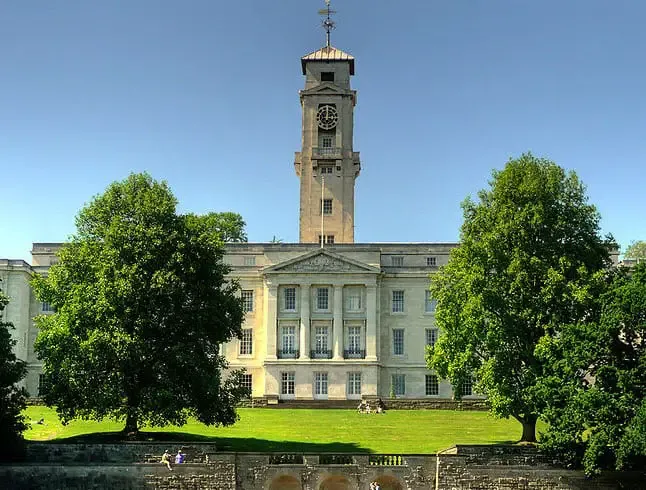 Photo: Nottingham University, via www.hydrogenfuelnews.com
The Future That's Already Here
Gonerby YFC's evolving membership suggests a future where rural youth organisations serve entire communities rather than just agricultural families. This broader appeal strengthens clubs by increasing membership, diversifying skills, and creating more inclusive rural communities.
For urban families considering YFC membership, the message is clear: agricultural background isn't required, but willingness to engage with rural community life is essential. Town kids who join with open minds often discover capabilities they never knew they possessed whilst building friendships that last decades.
"I came from Grantham knowing nothing about farming," reflects Jessica Thompson. "Two years later, I can judge cattle, organise events, speak confidently in public, and call some of Lincolnshire's finest farming families my closest friends. That's not despite being a town kid – it's because YFC welcomes everyone ready to contribute."
The stereotype of YFC as an exclusive farming club is dying, replaced by reality: inclusive rural communities where anyone willing to participate can thrive, grow, and belong.