The Art of Split-Second Leadership
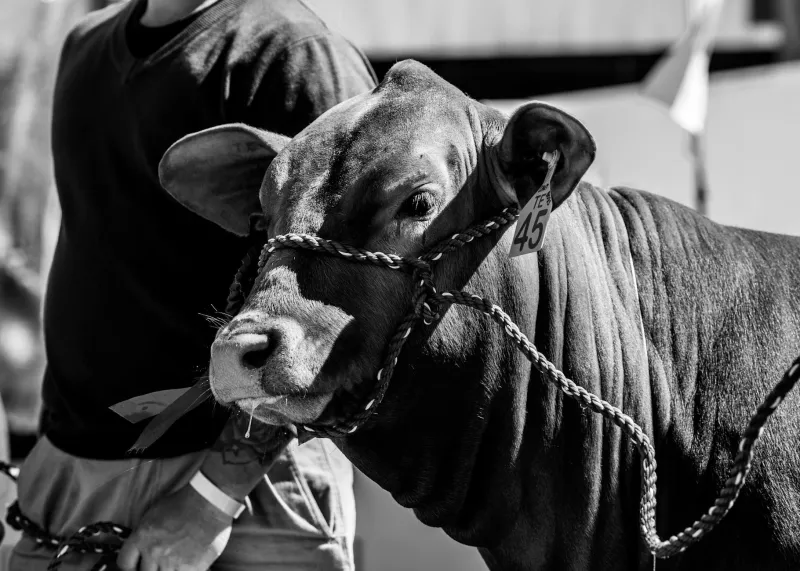
When seventeen-year-old Emma Richardson steps into the cattle ring at Grantham Agricultural Show, she has precisely ninety seconds to assess four prize-winning Limousin heifers. Her eyes scan muscle definition, structural soundness, and breed characteristics whilst mentally ranking each animal. Then comes the real test – standing before a panel of seasoned judges to defend her placings, articulating why she chose third over fourth, explaining her reasoning with confidence and clarity.
Six months later, Emma stands on the touchline at Lincoln County Sports Ground, captain's armband around her sleeve, making tactical substitutions that will determine whether Gonerby YFC's netball team advances to the regional finals. The pressure feels familiar. The decision-making process identical.
"People don't realise that livestock judging is essentially leadership training in disguise," explains Sarah Mitchell, Gonerby YFC's Youth Development Coordinator. "These young people are learning to assess situations rapidly, make confident decisions, and communicate their reasoning clearly – all whilst managing their nerves and handling scrutiny."
From Show Pen to Sports Captain
The connection between livestock judging and sports leadership isn't immediately obvious, yet Gonerby YFC has quietly become a breeding ground for county-level team captains. In the past three years, seven of their livestock judging competitors have gone on to captain district sports teams, a statistic that's caught the attention of youth development specialists across Lincolnshire.
James Harwood, now captain of the Under-19s rugby team at Sleaford RFC, credits his four years judging cattle at YFC events with shaping his leadership style. "In the show ring, you learn to trust your instincts quickly. You can't second-guess yourself when you've got thirty seconds left and four animals to place. That confidence translates directly to the pitch – knowing when to call a lineout, when to change tactics, when to trust your gut."
The psychological parallels run deeper than quick decision-making. Livestock judging demands what sports psychologists call 'objective assessment under pressure' – the ability to evaluate multiple variables simultaneously whilst maintaining emotional detachment from the outcome.
The Science Behind the Skill
Dr. Rebecca Thornton, a sports psychology consultant who works with several county youth teams, has observed Gonerby YFC members in action. "What strikes me about these young people is their analytical thinking process. They've been trained to break down complex assessments into manageable components – structure, movement, breed characteristics – then synthesise that information into a ranking decision. This systematic approach to evaluation is exactly what we try to teach elite athletes."
The livestock judging process follows a methodical pattern that mirrors tactical analysis in team sports. Judges assess each animal's conformation, evaluate movement and temperament, consider breed standards, then rank their choices whilst preparing to defend their reasoning. Replace 'animals' with 'opponents' or 'tactical options' and the process remains unchanged.
Tom Bradley, who coaches Gonerby's football team and judges cattle at county shows, sees the overlap daily. "Our YFC members who've done livestock judging approach team selection and tactical decisions differently. They're more systematic, less emotional. They can separate personal preferences from objective assessment, which is crucial when you're choosing who starts or what formation to play."
Pressure Cooker Training
The high-stakes environment of livestock judging competitions provides pressure training that few youth activities can match. Standing before experienced judges and fellow competitors, defending your placings whilst articulating technical reasoning, creates a stress response similar to crucial sports moments.
"The first time you have to explain why you placed that heifer second instead of third, your heart's pounding and your mouth goes dry," recalls Lucy Patterson, current captain of the county hockey team. "But you learn to breathe, organise your thoughts, and speak with authority. Now when I'm addressing the team at half-time or discussing tactics with the coach, that training kicks in."
The public speaking element proves particularly valuable. Unlike many youth activities where feedback happens privately, livestock judging demands public articulation of reasoning. This builds communication skills essential for sports leadership – the ability to explain tactical decisions to teammates, motivate during difficult moments, and represent the team in discussions with officials.
Building Tomorrow's Leaders
Gonerby YFC's livestock judging programme has evolved beyond agricultural education into comprehensive leadership development. The club now incorporates specific modules linking judging skills to broader applications, recognising that many members will never work directly with livestock but will carry these decision-making abilities throughout their lives.
"We're not just teaching them to assess cattle," notes Mitchell. "We're developing critical thinking, confident communication, and leadership under pressure. These skills transfer to any competitive environment, whether that's sports, business, or community leadership."
The results speak for themselves. Gonerby YFC members consistently outperform their peers in leadership roles across multiple sports, with local coaches increasingly seeking out young people with livestock judging experience when selecting team captains.
As Emma Richardson prepares for both the Royal Lincolnshire Show and the county netball championships, she embodies this dual excellence. "People think judging cattle and captaining a sports team are completely different, but the skills are identical. You assess, decide, communicate, and stand by your choices. The only difference is whether you're looking at heifers or handling a two-goal deficit with ten minutes left."
In the fields and show rings of Gonerby YFC, the next generation of sports leaders are being quietly forged, one careful assessment at a time.