Hands That Remember: The Young Guardians of Lincolnshire's Vanishing Craft Heritage
The Last Generation of Teachers
Eighty-three-year-old Albert Hemsworth's hands tell stories. Gnarled fingers that have laid a thousand miles of hedge, palms scarred by decades of stone work, and a grip that can still demonstrate proper billhook technique with startling precision. This morning, he's teaching eighteen-year-old Lucy Peterson to read the landscape like a book written in hawthorn and limestone.
"See how the old boundary runs there?" Albert points across a field where ancient hedgerow meets modern fence. "That hedge has stood for four centuries because someone knew how to lay it proper. If we don't teach young folk like Lucy here, that knowledge dies with my generation."
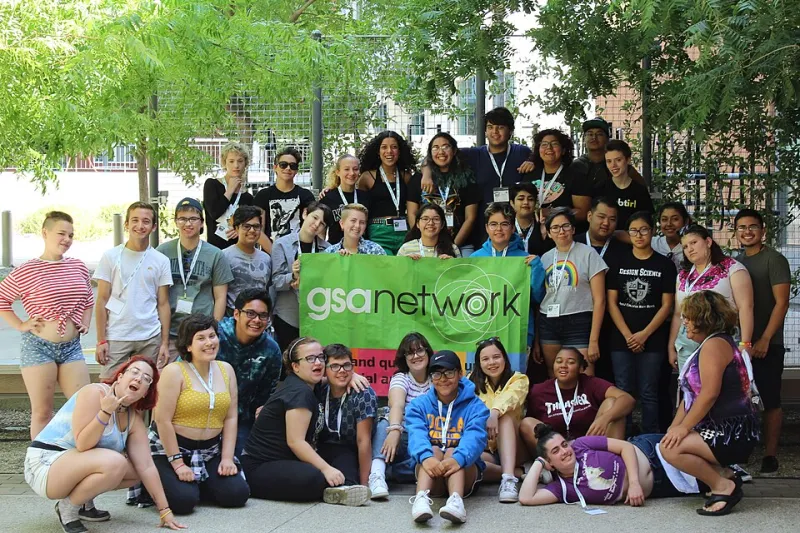
Lucy nods, concentrating as Albert guides her hands through the intricate process of pleaching—the art of weaving living wood into barriers that strengthen with age. She's one of twelve Gonerby YFC members learning traditional crafts from masters who won't be here to teach much longer.
Racing Against Time
Across Lincolnshire, traditional rural skills are disappearing faster than summer rain. Dry stone wallers, hedge layers, thatchers, and wheelwrights—craftspeople whose knowledge once sustained entire communities—are retiring without successors. For many skills, fewer than fifty practitioners remain active across the entire county.
"We're facing a knowledge extinction event," explains Dr. Sarah Mitchell from Lincoln University's Rural Heritage Project. "These aren't museum pieces—they're living skills that modern farming still needs. But we're losing them because young people don't know they exist, and old craftsmen can't find apprentices."
 Photo: Lincoln University, via www.tastingtable.com
Gonerby YFC recognised this crisis early, launching their Heritage Skills Programme three years ago. What started as weekend workshops has evolved into serious apprenticeships that connect young members with master craftspeople across multiple disciplines.
More Than Nostalgia
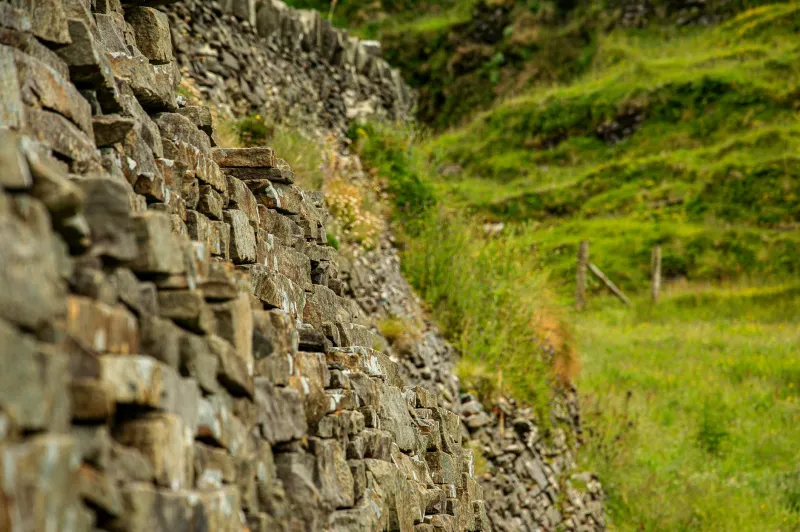
Twenty-year-old James Cooper discovered dry stone walling during his first month at Gonerby YFC. Two years later, he's completed sections of boundary wall that will outlast any modern fencing—and earned money doing weekend restoration work for the National Trust.
 Photo: National Trust, via motusspt.com
"People think it's just about preserving the past, but these skills solve real problems," James explains, selecting stones with the practiced eye of someone who understands how geology and engineering intersect. "A properly built stone wall needs no maintenance for decades, costs nothing to run, and provides habitat for wildlife. Modern alternatives can't match that."
His mentor, master waller Tom Bradley, has worked these fields for sixty years. "Young James here can build wall that'll stand when his grandchildren are old," Tom notes with obvious pride. "That's not nostalgia—that's sustainability they don't teach in engineering college."
The Hedge Layer's Art
Meanwhile, across the village, Lucy Peterson has progressed from nervous beginner to confident practitioner under Albert Hemsworth's patient tutelage. Hedge laying—the ancient art of cutting and weaving living hedgerow to create impenetrable boundaries—requires knowledge that spans botany, carpentry, and landscape management.
"Each species cuts different," Lucy explains, demonstrating techniques that would confound most gardeners. "Hawthorn wants to be pleached in autumn, blackthorn prefers late winter, and oak needs special handling or it'll die on you. Albert's teaching me to read what each plant needs."
The economic implications are substantial. Professional hedge laying costs £15-20 per metre, making it expensive for modern farmers. But young people who master the skill can earn significant money while preserving landscape character that attracts tourism and supports wildlife.
Traditional Woodworking Finds New Purpose
In the workshop behind the village hall, nineteen-year-old David Thompson shapes ash wood with tools his great-grandfather would recognise. He's learning traditional wheelwrighting from retired craftsman Peter Walsh, whose knowledge of working green timber represents centuries of accumulated wisdom.
"Modern machinery can't replace understanding how wood moves," Peter explains, watching David split ash along its natural grain. "These techniques create joints that get stronger with age, wheels that run true for decades, handles that won't break under stress. It's engineering that works with natural forces instead of fighting them."
David's motivation is intensely practical. "Dad's farm uses wooden gates, traditional hurdles, and tool handles that need replacing. Learning to make them myself saves money and creates better products than anything you can buy."
The Thatching Revival
Most ambitious of all is the thatching project, where three club members are learning skills that once roofed half of England. Master thatcher Robert Harrison, nearing retirement after forty years covering Lincolnshire roofs, has taken on his first apprentices in a decade.
"Thatching's not dying—it's evolving," explains apprentice Emma Richardson, bundling reed with swift, practiced movements. "Modern building regulations mean we need different techniques, but the basic principles haven't changed. A good thatch lasts sixty years and provides better insulation than most modern materials."
The economic opportunity is significant. Qualified thatchers earn £40-50 per hour, with work booked months in advance. But the real attraction for Emma is the connection to landscape and tradition.
"When I'm working on a roof that's been thatched for four hundred years, using reed cut from local beds, I'm part of something continuous," she reflects. "That connection to place and history—you can't get that from any other job."
Teaching the Teachers
Gonerby's programme creates knowledge transfer that benefits entire communities. Members who master traditional skills often become teachers themselves, sharing expertise with neighbouring Young Farmers clubs and rural colleges.
"We're not just preserving skills—we're creating a new generation of teachers," notes club advisor Margaret Thompson. "Lucy's already demonstrated hedge laying at three county shows, and James has taught basic stone walling to members from five other clubs."
This peer-to-peer teaching proves particularly effective. Young people learn more readily from contemporaries who've recently mastered the same challenges, while experienced craftsmen appreciate working with enthusiastic apprentices who understand modern contexts.
The Digital Documentation Project
Recognising that not all knowledge can be preserved through practice alone, Gonerby members are creating digital archives that capture techniques, terminology, and local variations before they disappear.
"We're filming everything," explains Tom Bradley, who's become the project's unofficial archivist. "Not just the techniques, but the stories, the local names for tools, the way different villages approached the same problems. It's cultural archaeology."
These recordings serve dual purposes: preserving knowledge for future generations while helping current learners review complex procedures. The archive already contains over fifty hours of instruction covering twelve different crafts.
Beyond Preservation: Innovation
While respecting traditional methods, young craftspeople bring fresh perspectives that strengthen ancient practices. They experiment with new tools that speed repetitive tasks, adapt techniques for modern materials, and find applications in contemporary construction.
"We're not museum curators—we're working craftsmen," emphasises David Thompson. "If a traditional technique can be improved without losing its essential character, we'll improve it. The goal is keeping these skills alive and relevant, not freezing them in time."
The Future of Rural Craft
Gonerby YFC's Heritage Skills Programme represents something significant: young people choosing to engage with traditional knowledge rather than dismissing it as obsolete. In an era of mass production and digital solutions, these members are discovering satisfaction in work that connects hands, mind, and landscape.
"These skills teach you to think differently," reflects Lucy Peterson, now confident enough to tackle complex hedge repairs independently. "You learn to work with natural materials, to plan for decades rather than seasons, to create things that improve with age. That changes how you approach every problem."
For prospective members wondering whether traditional crafts offer relevant skills, the programme provides compelling evidence. These aren't quaint hobbies—they're practical capabilities that solve real problems while connecting practitioners to centuries of accumulated wisdom.
In workshops across Gonerby, young hands are learning to remember what older hands have always known. It's not just preservation—it's transformation, ensuring that traditional knowledge continues evolving rather than simply surviving.