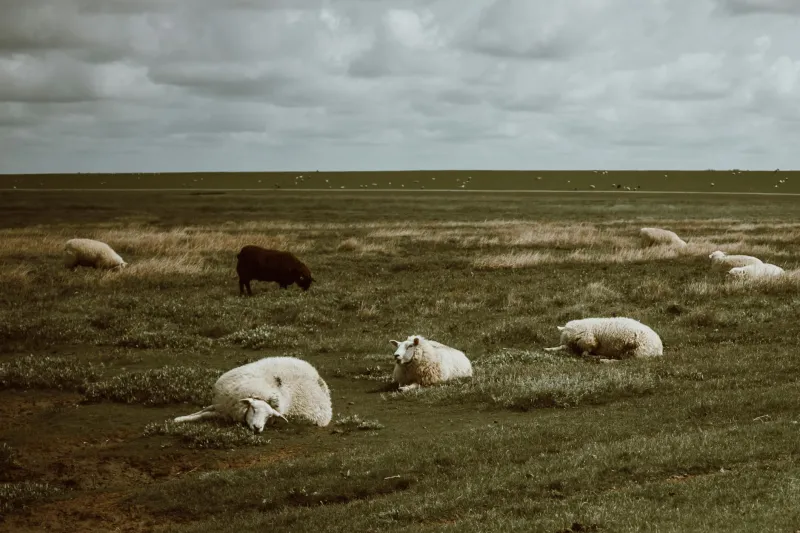
The Hidden Crisis in Lincolnshire's Fields
The statistics should terrify every parent in rural Lincolnshire. Young people in countryside areas are 40% more likely to experience mental health difficulties than their urban counterparts, according to the Rural Mental Health Commission. Suicide rates among rural youth aged 15-24 have increased by 23% in the past five years. Behind these numbers lies a stark reality: our young people are struggling with isolation that city kids simply cannot comprehend.
Yet in village halls across the county, something remarkable is happening. Every Tuesday evening, Gonerby YFC transforms from an empty community space into a lifeline for dozens of young people who might otherwise spend another evening alone with social media and self-doubt. This isn't nostalgia for a simpler time – it's essential public health infrastructure that our rural communities desperately need.
The Isolation That Urban Youth Workers Don't Understand
Try explaining rural loneliness to someone who grew up catching buses every ten minutes in Birmingham. The nearest friend lives eight miles away. Your parents work eighteen-hour days during harvest. The village has one bus service that stops running at 6 PM. Your school friends scatter across a forty-mile radius, making spontaneous meetups impossible without complex parental logistics.
"People assume farm kids are always busy and connected to their community," explains Dr. Margaret Thornton, who researches rural youth wellbeing at Lincoln University. "The reality is often profound isolation, especially during critical developmental years when peer relationships matter most."
 Photo: Lincoln University, via www.blackenterprise.com
Seventeen-year-old Beth Morrison knows this reality intimately. "Before YFC, I'd come home from school and that was it until the next morning," she admits. "My parents were always working, my sister had moved to Nottingham for university, and my closest friend lived in the next village with no reliable transport between us. I was spending entire weekends alone in my room."
The digital solutions that work for urban teenagers – group chats, online gaming, social media – often feel hollow when you're surrounded by hundreds of acres with no one to share them with. Rural young people report feeling disconnected from online communities that don't understand their lifestyle, while simultaneously feeling cut off from real-world social opportunities.
More Than Just Something to Do on Tuesday Nights
Gonerby YFC provides what psychologists call 'consistent social scaffolding' – regular, predictable opportunities for meaningful interaction that build genuine relationships over time. Unlike urban youth clubs that might focus on specific activities or age groups, YFC creates intergenerational communities where fourteen-year-olds learn from twenty-one-year-olds, shy newcomers find confidence through shared experiences, and natural leaders develop genuine responsibility for others' wellbeing.
"The magic happens in the spaces between organised activities," observes youth worker Karen Phillips, who's supported rural mental health initiatives for fifteen years. "It's the casual conversations while setting up for events, the mentoring that happens naturally between older and younger members, the sense of belonging that develops when young people work together towards shared goals."
The club's approach addresses isolation through multiple pathways simultaneously. Regular meetings provide social rhythm and anticipation. Competitions create shared challenges that build team bonds. Leadership roles offer purpose and responsibility. Community service projects connect members to the wider village, reducing the sense of disconnection that many rural young people experience.
The Mental Health Benefits Hidden in Plain Sight
Members consistently report improvements in confidence, self-worth, and emotional resilience that mirror outcomes from expensive therapeutic interventions. The difference is that these improvements happen naturally through genuine relationships and meaningful activities rather than clinical settings that many rural young people find intimidating or inaccessible.
"I didn't realise how depressed I'd become until I started feeling better," reflects twenty-year-old Tom Bradley, now studying at agricultural college. "YFC didn't cure my mental health problems, but it gave me a support network and sense of purpose that made everything else manageable. When you're struggling, having thirty people who genuinely care about your wellbeing makes all the difference."
The peer support model proves particularly effective for rural young people who often resist seeking formal mental health support due to stigma or accessibility issues. Members develop strong relationships with multiple peers and adults, creating natural support networks that respond quickly to emerging problems.
Parents report dramatic improvements in their children's mood, motivation, and general wellbeing within months of joining. "My son went from spending every evening in his room playing video games to actively planning social events and supporting younger members," explains Janet Morrison. "He found his tribe, and it transformed his entire outlook on life."
The Social Infrastructure We're Losing
Across rural Britain, traditional social institutions are disappearing. Village pubs close, church attendance dwindles, agricultural shows struggle for volunteers, and young people drift away from communities that seem to offer them nothing. YFC clubs represent one of the few remaining institutions specifically designed to serve rural young people's social and developmental needs.
"We're not just a nice-to-have social club," argues Gonerby chairman David Harrison. "We're essential infrastructure for rural youth development. When we lose these clubs, we lose the social fabric that holds rural communities together. The mental health consequences are severe and lasting."
The economic argument is equally compelling. Every pound invested in youth clubs saves an estimated £7 in later mental health interventions, according to research by the Centre for Mental Health. For rural areas with limited access to therapeutic services, preventive approaches like YFC become even more cost-effective.
Yet funding pressures and volunteer shortages threaten many clubs' survival. As older members move away for university or careers, and farming families face increasing economic pressure, maintaining the volunteer base becomes increasingly challenging.
The Ripple Effects of Rural Connection
When young people feel connected to their rural communities, they're more likely to stay or return after education. They become the agricultural innovators, rural entrepreneurs, and community leaders that countryside areas desperately need. The social bonds formed through YFC often last lifetimes, creating professional networks and personal support systems that benefit entire regions.
"The young people we're supporting today will be running our farms, managing our rural businesses, and leading our communities in twenty years' time," notes Dr. Thornton. "Investing in their mental health and social development isn't just compassionate – it's essential for rural sustainability."
The alternative is a continued exodus of young talent to urban areas, leaving rural communities aging and economically vulnerable. Mental health statistics suggest this trend will accelerate unless we address the isolation and disconnection that drive young people away from countryside life.
Fighting for Rural Futures
Gonerby YFC's fight against rural isolation represents something larger than youth work – it's community resilience in action. Every Tuesday evening when young people gather in the village hall, they're not just socialising – they're actively choosing to invest in their rural community's future.
The club refuses to accept that geographical isolation must mean social isolation. Through creative programming, strong leadership, and unwavering commitment to member wellbeing, they're proving that rural young people can thrive when given appropriate support and opportunities.
"We're not trying to compete with urban entertainment or digital alternatives," explains Sarah Mitchell, Gonerby's youth coordinator. "We're offering something unique – genuine community, meaningful relationships, and the confidence that comes from being valued and needed. That's not nostalgic romanticism – it's exactly what young people need to build resilient, fulfilling lives."
As policymakers debate rural development strategies and mental health funding, the answer might be simpler than they imagine. Sometimes the most effective intervention is ensuring every rural young person has somewhere to belong, something meaningful to contribute to, and people who genuinely care about their wellbeing.
In Gonerby's village hall, that intervention happens every Tuesday evening. The question is whether we're prepared to support and replicate it across rural Britain before we lose another generation to isolation and despair.