From Farm to Fork: Meet Gonerby's Culinary Champions Turning Village Kitchens into Competition Arenas
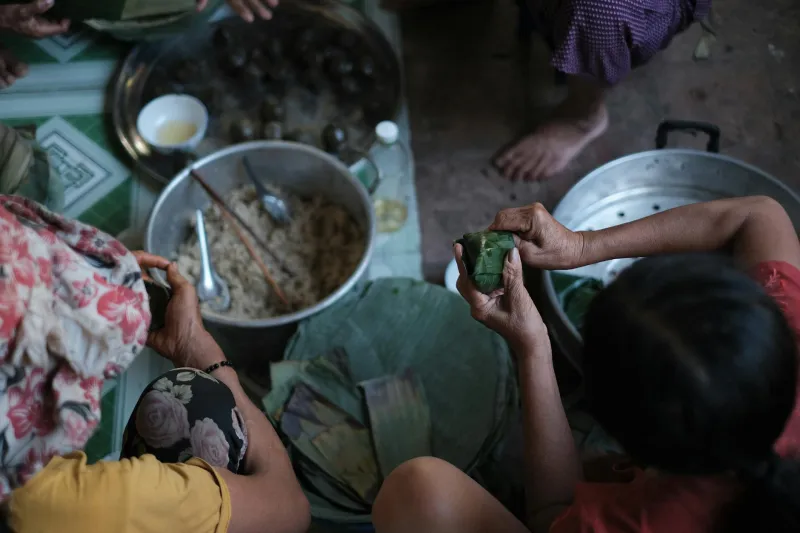
When Baking Becomes Battle
The tension in the village hall could be cut with a knife—preferably one of the razor-sharp blades that nineteen-year-old Marcus Webb keeps in his personalised roll case. It's the annual Gonerby YFC Bake-Off, and the stakes couldn't be higher. County championship points hang in the balance, reputations rest on rise times, and three judges from the Women's Institute wait with clipboards that could make or break culinary dreams.
 Photo: Gonerby YFC, via static-images.findfilo.com
"People don't realise how seriously we take this," Marcus explains, adjusting his apron with the focused intensity of a Formula One driver checking his helmet. "I've been perfecting my Lincolnshire Plum Bread recipe for eight months. This isn't just baking—it's sport."
Welcome to the surprisingly competitive world of Gonerby YFC's culinary scene, where traditional recipes meet modern ambition, and the phrase "what's for dinner?" carries championship implications.
The Rise of Rural Food Warriors
Ten years ago, Gonerby's cooking activities consisted of basic catering for club events and the occasional fundraising cake sale. Today, the club boasts three county-level cooking champions, a team that's reached the regional Young Farmers' Culinary Finals twice running, and a reputation that's spreading far beyond Lincolnshire's borders.
"It started accidentally," recalls club advisor Margaret Thompson, watching current members prepare for their latest challenge. "We needed someone to organise the harvest supper in 2019, and discovered that half our members were secretly brilliant cooks. Once word got out, it became competitive very quickly."
The transformation reflects broader changes in rural youth culture. Where previous generations might have viewed cooking as purely domestic necessity, today's Gonerby members approach it with the same strategic thinking they apply to livestock judging or machinery maintenance.
Local Ingredients, Global Techniques
What sets Gonerby's culinary programme apart isn't just the skill level—it's the unwavering commitment to local sourcing that would impress any farm-to-table restaurant. Members work directly with neighbouring farms, creating supply chains that showcase the best of Lincolnshire produce.
"We know exactly where everything comes from," explains Emma Richardson, whose beef wellington secured second place at last year's county championships. "The beef is from Thompson's farm, herbs from the village allotments, pastry made with flour from the mill at Sleaford. When judges taste our food, they're tasting our landscape."
This hyperlocal approach creates unique advantages. Members develop intimate knowledge of seasonal availability, learning to plan menus around what's actually growing rather than what's convenient. The result is cooking that's both deeply traditional and surprisingly sophisticated.
Training Like Athletes
The club's approach to culinary development mirrors serious sports training. Members attend weekend workshops, practice sessions run with military precision, and maintain detailed logs tracking recipe development and technique improvement.
"I train three evenings a week," admits current club champion David Parker, whose innovative take on traditional haslet won him regional recognition. "Tuesday is basic techniques, Thursday is recipe development, and Sunday is competition practice under time pressure. It's as demanding as any sport."
The training kitchen, located in a converted barn behind the village hall, operates like a professional facility. Members invest in quality equipment, maintain strict hygiene standards, and follow coaching programmes designed by former professional chefs who've joined the club as mentors.
Beyond Competition: Feeding Community
While individual achievements grab headlines, Gonerby's culinary programme serves deeper community purposes. Members regularly cater for village events, provide meals for elderly residents, and organise feast days that bring together multiple generations.
"The competitive element drives skill development, but the real satisfaction comes from feeding people," reflects long-time member Sarah Collins, whose expertise in traditional preserving techniques has saved several family recipes from extinction. "When you see someone's face light up because they're tasting something their grandmother used to make, that's worth more than any trophy."
These community connections create learning opportunities unavailable elsewhere. Elderly villagers share techniques passed down through generations, while members document recipes that might otherwise disappear. It's cultural preservation disguised as competitive cooking.
The Science Behind the Art
Modern Gonerby members approach traditional recipes with scientific rigour that would surprise their predecessors. They understand gluten development, monitor internal temperatures with precision, and experiment with fermentation techniques that improve both flavour and nutrition.
"We're not just following recipes—we're understanding why they work," explains club secretary Tom Bradley, whose sourdough starter has become legendary across three parishes. "That knowledge lets us adapt traditional techniques for modern kitchens while maintaining authentic flavours."
This analytical approach extends to ingredient sourcing. Members study soil conditions that affect vegetable flavours, learn about breed characteristics that influence meat quality, and develop relationships with producers who share their commitment to excellence.
The Professional Pipeline
Gonerby's culinary success is creating unexpected career opportunities. Three recent members have secured apprenticeships at respected restaurants, two have launched successful catering businesses, and one has been accepted into a prestigious culinary college.
"The skills transfer beautifully," notes professional chef and club mentor James Wilson. "These young people understand ingredients, work under pressure, and appreciate the connection between land and plate. They arrive in professional kitchens better prepared than many culinary school graduates."
But career development isn't the primary goal. Most members pursue cooking as passionate amateurs, using their skills to enrich family life and community connections while maintaining other career paths.
The Future of Rural Food Culture
Gonerby's culinary programme represents something significant: young people choosing to engage deeply with food culture rather than simply consuming it. In an era of convenience meals and food delivery apps, these members are mastering techniques their great-grandparents would recognise.
"We're proving that traditional doesn't mean outdated," argues recent county champion Lisa Watson. "These recipes and techniques exist because they work. By understanding them properly, we're equipped to feed ourselves and our communities no matter what challenges come."
For prospective members wondering whether Gonerby YFC matches their interests, the culinary programme offers compelling evidence of the club's diversity. It's competitive without being exclusive, traditional without being backward-looking, and serious without losing the joy that makes good cooking possible.
In kitchens across Lincolnshire, Gonerby members are proving that the future of rural food culture lies not in abandoning tradition, but in understanding it deeply enough to make it their own.