The Making of Leaders Starts Before Sunrise
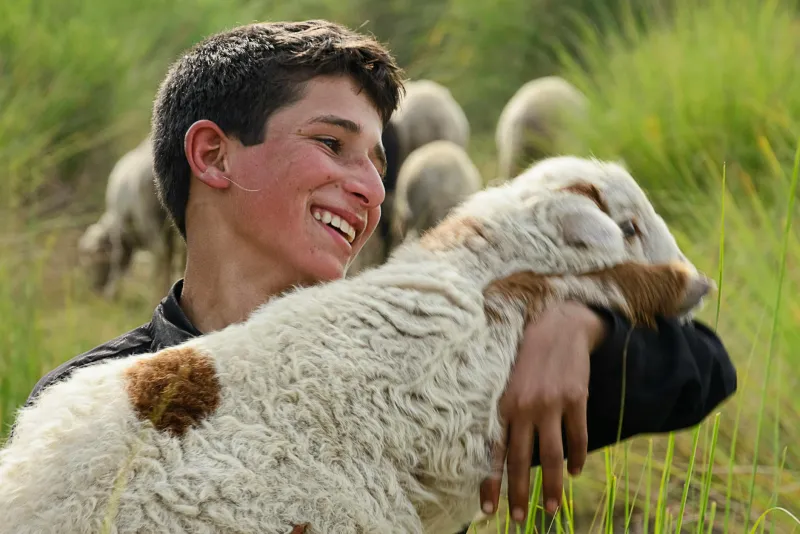
Whilst most teenagers are still buried under their duvets, seventeen-year-old Emma Hartwell is already two hours into her day. The soft bleating from the lambing shed behind her family's Lincolnshire farmhouse signals another round of checks, another opportunity to make life-or-death decisions that most young people her age will never face.
"People think farming is just about animals and crops," Emma explains, cradling a day-old lamb that needed bottle feeding through the night. "But every single day, you're problem-solving, making quick decisions, and taking responsibility for living creatures that depend entirely on you."
This is the invisible leadership training ground that sets Gonerby YFC members apart from their urban counterparts. Where city-based youth programmes rely on artificial scenarios and role-playing exercises, rural teenagers are handed real responsibility from the moment they can safely handle livestock.
From Barn to Boardroom: Real Responsibility Builds Real Leaders
The transformation isn't accidental. Dr Sarah Mitchell, who researches rural youth development at Lincoln University, explains the unique advantages of agricultural upbringing: "Urban leadership programmes often struggle to replicate the authentic pressure and genuine consequences that farm children face daily. When a teenager is solely responsible for ensuring thirty ewes lamb successfully, they develop decision-making skills and emotional resilience that simply cannot be taught in a classroom."
At Gonerby YFC, this agricultural foundation translates into extraordinary leadership outcomes. Current club chairman James Thornton traces his confidence directly back to his early farming experiences.
"I remember being twelve years old and Dad putting me in charge of the entire cattle feeding routine whilst he dealt with a machinery breakdown," James recalls. "Forty head of cattle depending on you to get their nutrition right - there's no room for half-measures or excuses. That taught me accountability in a way no textbook ever could."
That same accountability now sees James leading a club of over 150 members, organising county-wide competitions, and representing Gonerby at national YFC events. The progression from farm duties to community leadership feels natural rather than forced.
The Gonerby Difference: Where Leadership Meets Legacy
What sets Gonerby YFC apart isn't just the agricultural background of its members, but how the club deliberately builds upon these existing foundations. Rather than starting leadership development from scratch, the organisation recognises and amplifies skills that members have been quietly developing since childhood.
"We don't need to teach our members about responsibility or teamwork," explains club advisor Margaret Williamson, who has guided young farmers for over two decades. "They arrive already understanding these concepts. Our role is to help them recognise their existing strengths and apply them in new contexts."
This approach creates leaders who are comfortable with genuine authority rather than simply holding titles. When nineteen-year-old Sophie Chen captains the county netball team, her teammates notice something different about her leadership style.
"Sophie never shouts or gets flustered under pressure," notes teammate Chloe Banks. "She has this calm way of making decisions quickly and sticking to them. Later I found out she's been making life-or-death calls about sick animals since she was fourteen - suddenly her composure made complete sense."
Building Tomorrow's Community Champions Today
The leadership pipeline at Gonerby YFC extends far beyond sports captaincy. Former members now serve as parish councillors, school governors, charity trustees, and business leaders throughout Lincolnshire. The common thread connecting their success isn't formal training programmes or certificates - it's the fundamental confidence that comes from knowing you can handle whatever responsibility comes your way.
"Agricultural life doesn't stop for weekends or holidays," notes current secretary Tom Fletcher, whose family runs a mixed arable and livestock operation. "When you've been getting up at dawn every day since you were ten, organising a county sports tournament doesn't feel overwhelming - it just feels like another job that needs doing properly."
This practical approach to leadership development creates young people who are comfortable with authority because they've earned it through genuine competence rather than appointment. They understand that real leadership means serving others rather than commanding them.
The Ripple Effect: Leadership That Transforms Communities
The impact extends beyond individual success stories. Communities across Lincolnshire benefit from having young leaders who combine traditional agricultural values with modern organisational skills. These aren't teenagers playing at leadership - they're young adults who have already proven their ability to handle significant responsibility.
"The difference is remarkable," observes County Councillor Patricia Holmes, who works closely with various youth organisations. "Gonerby YFC members arrive at meetings prepared, contribute meaningfully to discussions, and follow through on commitments. They understand that leadership isn't about being popular - it's about getting results that benefit everyone."
This mature approach to leadership creates a positive cycle. As Gonerby YFC members take on roles in their wider communities, they demonstrate the value of rural youth development and encourage other organisations to adopt similar approaches.
Cultivating the Leaders We Need
As Britain faces complex challenges around food security, environmental sustainability, and rural economic development, the leadership skills being cultivated at Gonerby YFC become increasingly valuable. These young people understand both traditional farming wisdom and modern innovation requirements.
"We're not just training the next generation of farmers," concludes Emma Hartwell, now serving as the club's competition coordinator whilst studying agricultural science at Harper Adams. "We're developing leaders who understand how rural communities really work, who can bridge the gap between agricultural traditions and modern needs."
The 5am alarm clock that once signalled lambing duties now signals something far greater - the daily commitment to building leaders who will shape Britain's agricultural future. In Gonerby's fields, tomorrow's community champions are already hard at work.