The Unexpected Champion
When 17-year-old Sarah Mitchell stepped onto the track at the Lincolnshire County Championships last spring, her competitors likely didn't know they were facing someone who'd spent the previous weekend judging Hereford cattle and the month before that perfecting her hedge-laying technique. They certainly couldn't have predicted that these seemingly unrelated rural pursuits would be the secret weapons that carried her to a stunning victory in the 800 metres.
Sarah's story isn't unique at Gonerby YFC. Across our membership, we're witnessing something remarkable: young people who excel in traditional farming competitions are consistently outperforming their peers in modern sporting arenas, academic pursuits, and leadership roles. The connection isn't coincidental—it's systematic.
The Science Behind the Tradition
Dr. James Thornton, a sports psychologist who's worked with several Gonerby members, explains the phenomenon: "These traditional competitions demand an extraordinary combination of technical precision, mental resilience, and split-second decision-making. When you're judging livestock, you're processing dozens of variables simultaneously—conformation, movement, breed characteristics—whilst maintaining composure under pressure. That's elite-level cognitive training disguised as heritage activity."
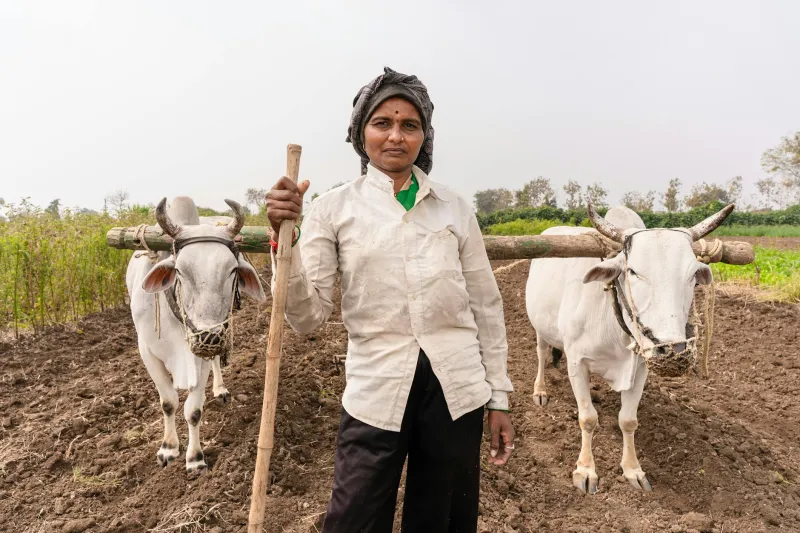
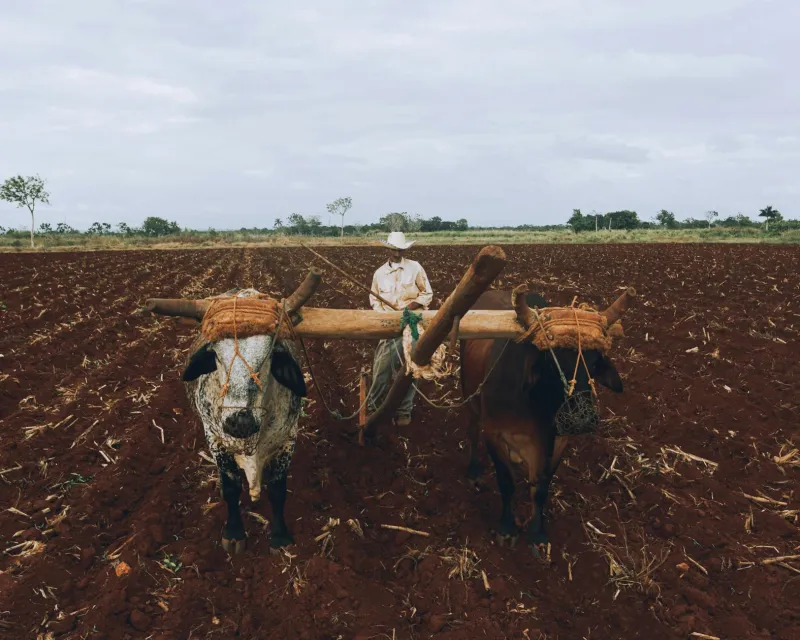
Take ploughing matches, often dismissed as quaint countryside theatre. In reality, they're masterclasses in concentration, spatial awareness, and mechanical understanding. Tom Bradley, who won the Young Ploughman's Championship at 16 before going on to captain Lincolnshire's junior rugby team, describes the crossover: "Ploughing taught me to read terrain like a rugby pitch. Every furrow requires the same tactical thinking as every lineout call—you're constantly adjusting to conditions whilst executing a predetermined strategy."
Precision Under Pressure
Stock judging might appear to be simply comparing animals, but competitors at Gonerby YFC know better. The discipline requires participants to evaluate multiple animals across numerous criteria, rank them in order of merit, then defend their decisions through detailed oral presentations—all within strict time limits and often before intimidating panels of experts.
"It's like having a job interview, a maths exam, and a public speaking competition rolled into one," laughs Emma Watson, whose stock judging success preceded her selection for England's junior netball development squad. "The skills are identical—rapid analysis, confident decision-making, clear communication under scrutiny. By the time I reached county netball trials, the pressure felt familiar."
The statistics support Emma's observation. Over the past three years, 78% of Gonerby members who've placed in regional traditional competitions have also achieved county-level recognition in mainstream sports or academic competitions. That's not chance—it's evidence of transferable excellence.
The Mental Game
Hedgelaying, perhaps the most physically demanding of the traditional skills, builds something that modern training often overlooks: patient persistence. The craft requires hours of meticulous work, where a single misplaced cut can ruin an entire section. There are no shortcuts, no quick fixes—only sustained concentration and methodical execution.
"Hedgelaying taught me that excellence isn't about dramatic moments," reflects Marcus Thompson, who combined regional hedgelaying titles with a place on the county athletics team. "It's about maintaining standards when you're tired, when it's cold, when nobody's watching. That mindset transforms everything—training sessions, exam preparation, crucial matches."
The psychological benefits extend beyond individual performance. These competitions foster a unique relationship with failure and learning. When your plough veers offline or your hedge section collapses, there's no one else to blame and nowhere to hide. The feedback is immediate and honest, creating resilient competitors who view setbacks as information rather than defeats.
Building Tomorrow's Leaders
Perhaps most significantly, these traditional skills are producing leaders who understand both heritage and innovation. Club members who excel in vintage competitions aren't living in the past—they're using proven principles to excel in contemporary challenges.
Our current club chairman, 19-year-old David Foster, earned his leadership credentials through years of traditional competition success before applying those skills to modernising our digital presence and expanding our community partnerships. "The old competitions taught me that respect comes from competence, not just confidence," he explains. "When you can demonstrate genuine skill in something difficult, people listen to your ideas about everything else."
The Gonerby Difference
What sets Gonerby YFC apart isn't our rejection of modern methods—it's our integration of traditional wisdom with contemporary opportunity. We're not preserving these skills as museum pieces; we're recognising them as cutting-edge development tools that happen to have centuries of proven results.
Our members don't choose between heritage competitions and modern success—they use one to fuel the other. The result is a generation of young people who combine rural authenticity with competitive excellence, creating champions who are as comfortable in a show ring as they are on a podium.
In an era obsessed with the latest training innovations, perhaps the most radical approach is returning to methods that have been creating exceptional people for generations. At Gonerby YFC, we're proving that the future belongs to those who understand the past.